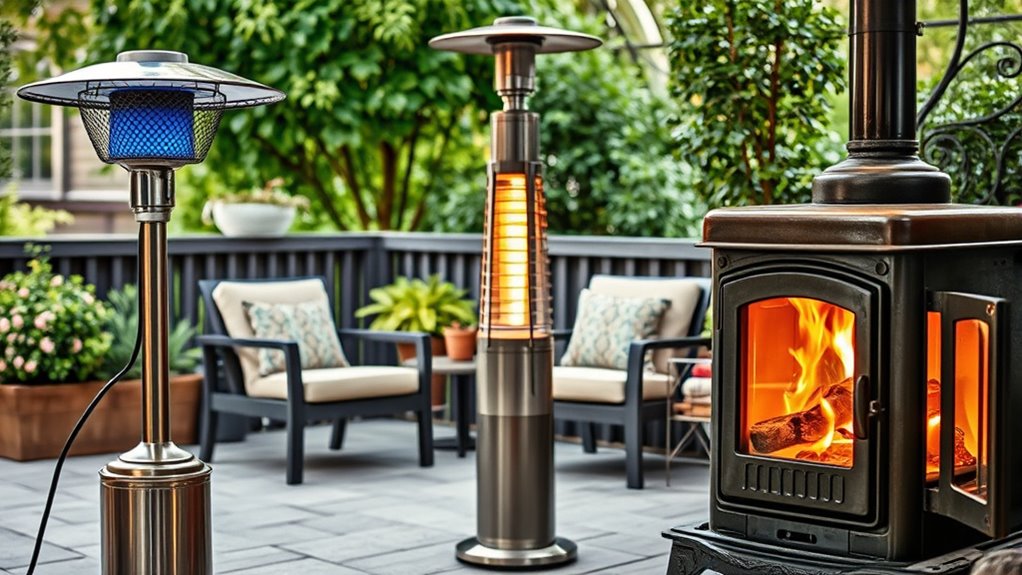

To use outdoor heaters safely, make sure you handle propane, electric, and wood models properly. Always operate propane heaters outdoors in well-ventilated areas, check for leaks regularly, and keep flames away from combustibles. For electric heaters, use weatherproof outlets and cords designed for outdoor use. When using wood heaters, burn seasoned wood and keep a fire extinguisher nearby. Following these safety tips helps prevent accidents—keep exploring for detailed guidelines to enjoy warmth risk-free.
Key Takeaways
- Handle propane cylinders outdoors in well-ventilated areas and check for leaks regularly using soapy water.
- Use weatherproof, properly grounded outlets and outdoor-rated extension cords for electric heaters.
- Burn only dry, seasoned wood and keep fires attended; never burn trash or treated wood.
- Follow manufacturer instructions for all heater types and ensure proper placement away from flammable materials.
- Regularly inspect and maintain heaters, ensuring proper ventilation to prevent toxic fumes and hazards.
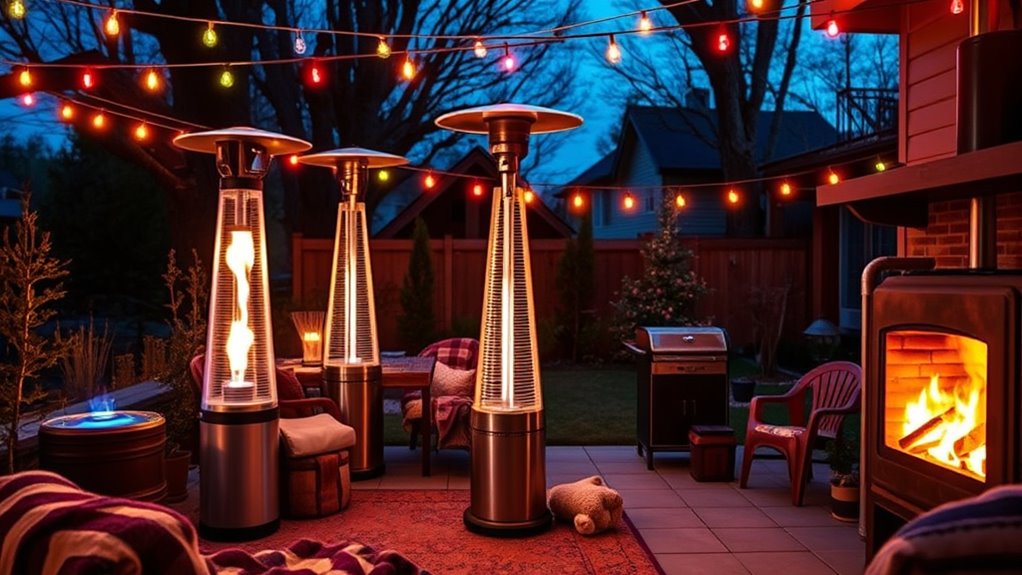
Outdoor heaters can extend your outdoor living season, but it’s essential to use them safely to prevent accidents. Understanding the different fuel types and following key safety tips can help you enjoy warmth without risking hazards. Each type of heater—propane, electric, or wood—has its own considerations, so knowing how to operate them properly is crucial. Proper placement and regular inspection are also vital for safe operation.
Using propane, electric, or wood outdoor heaters safely extends your outdoor season without hazards.
If you’re using propane heaters, you need to pay close attention to fuel types and storage. Always handle propane cylinders outdoors in well-ventilated areas, and never store them inside or near open flames. Check for leaks regularly by applying soapy water to connections; bubbles indicate a leak that needs fixing. When lighting the heater, follow the manufacturer’s instructions carefully—never attempt to light it with an open flame or match. Keep the heater on a flat, stable surface, away from combustible materials, and ensure the cylinder is turned off when not in use. Proper ventilation is vital, especially if you’re in a semi-enclosed space, to prevent dangerous buildup of carbon monoxide.
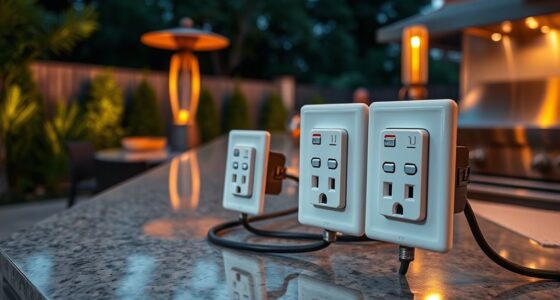
Electric outdoor heaters provide a safer alternative since they don’t involve combustible fuel, but safety tips still matter. Make sure your outdoor electrical outlets are weatherproof and grounded. Use extension cords rated for outdoor use, and avoid overloading circuits. Keep cords away from water and high-traffic areas to prevent tripping or electrical shock. Regularly inspect cords and plugs for damage, replacing them immediately if you notice any wear. Position the heater on a stable surface, away from flammable objects, and never leave it unattended for long periods. Since electric heaters don’t produce carbon monoxide, they’re generally safer, but you still need to follow safety tips to avoid electrical hazards. Using the right safety precautions is essential when operating any outdoor heater.
Wood-burning outdoor heaters add a rustic charm, but they demand extra caution. Always use seasoned, dry wood to minimize smoke and creosote buildup. Never burn trash or treated wood, as these can release toxic fumes. Keep a fire extinguisher nearby, and never leave a burning fire unattended. Ensure the heater is placed on a non-combustible surface, away from overhanging branches or structures. When lighting the fire, use proper kindling and start small. As with all outdoor fires, monitor the flames and never leave them unattended. Proper ventilation is critical, as wood fires produce smoke and carbon monoxide, which can be dangerous if the area isn’t well-ventilated. Regularly cleaning the chimney or flue helps prevent dangerous creosote buildup and promotes safe operation.
In all cases, always read and follow the manufacturer’s safety tips and instructions. Regular maintenance, proper placement, and cautious handling of fuel types make a significant difference in preventing accidents. Whether propane, electric, or wood, knowing how to operate your outdoor heater safely ensures that you enjoy outdoor warmth without unnecessary risks.

WELLUCK Propane Heater Indoor Outdoor With ODS & Tip-over Protection 6000 to 18000 BTU 3 Modes Portable Cabinet Heater for Garages Patio Camping Workshops Construction
3 Adjustable Heating Modes – Stay warm all winter with this versatile outdoor heater! Choose from three heat…
As an affiliate, we earn on qualifying purchases.
As an affiliate, we earn on qualifying purchases.
Frequently Asked Questions
Can Outdoor Heaters Be Used Indoors Safely?
No, outdoor heaters shouldn’t be used indoors because it compromises indoor safety. These heaters are designed for outdoor use and can produce dangerous fumes or carbon monoxide if used inside. Always make certain of proper heater placement, keeping it away from flammable materials and in well-ventilated areas. Using outdoor heaters indoors risks fire and health hazards, so stick to heaters specifically made for indoor use to keep yourself safe.
What Are the Environmental Impacts of Different Outdoor Heaters?
Think of outdoor heaters as tiny factories releasing invisible footprints into the air. Propane heaters emit greenhouse gases that increase your carbon footprint, while electric ones can be cleaner if powered by renewable energy. Wood heaters produce particulate matter and emissions, impacting air quality. To reduce your environmental impact, opt for electric heaters with emissions reduction features or renewable energy sources, helping you enjoy warmth without harming the planet.
How Often Should Outdoor Heaters Be Maintained or Inspected?
You should follow a regular maintenance schedule and inspect your outdoor heaters at least once a season, ideally before each use. Check for any signs of wear, leaks, or damage, especially with propane and wood heaters. Electric heaters typically require less frequent inspections, but you should still make sure cords and connections are secure. Consistent maintenance helps prevent safety hazards and ensures efficient operation, extending your heater’s lifespan.
Are There Specific Safety Tips for Children Around Outdoor Heaters?
Did you know children are twice as likely to get burns from outdoor heaters? To guarantee child safety, always supervise kids around heaters and create heater barriers to prevent accidental contact. Keep heaters out of reach, and never leave children unattended nearby. Educate children about the dangers, and turn off and unplug heaters when not in use. These simple steps help protect your little ones from potential burns and injuries.
Can Outdoor Heaters Be Used During Windy Weather?
You shouldn’t use outdoor heaters during windy weather because wind safety is essential. Strong gusts can tip over heaters, especially those that are unstable. Always check heater stability before turning it on and avoid using it in high winds. If the weather turns windy, it’s safest to turn off the heater and wait until conditions improve. This prevents accidents and keeps everyone safe.
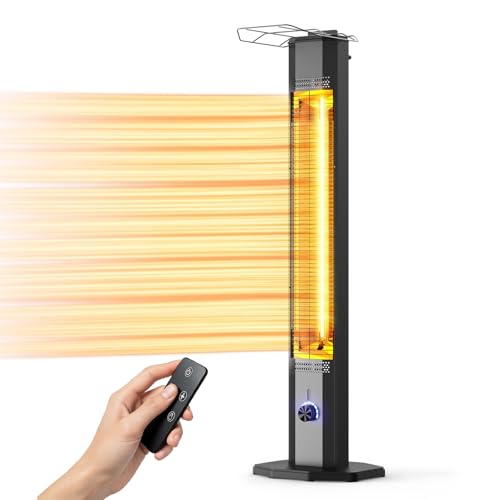
Outdoor Electric Patio Heater, 42-inch 1500W Infrared Tower Heater with 9 Heat Settings & 9H Timer, IPX5 Waterproof, Safety Lock, Tip-Over & Overheat Protection Space Heater for Indoor & Outdoor Use
Instant Cozy Heat – 1500W carbon infrared tower patio heater warms you instantly, just like sunlight, without drying…
As an affiliate, we earn on qualifying purchases.
As an affiliate, we earn on qualifying purchases.
Conclusion
So, next time you’re tempted to cozy up next to your outdoor heater, remember: safety’s no joke—unless you enjoy surprises like unexpected fires or carbon monoxide leaks. Ironically, those warm nights could turn chilly in more ways than one if you’re not careful. So, enjoy the warmth, but don’t forget to follow safety tips; after all, what’s more fun than a fire you can control? Stay safe and keep the good times glowing—literally.
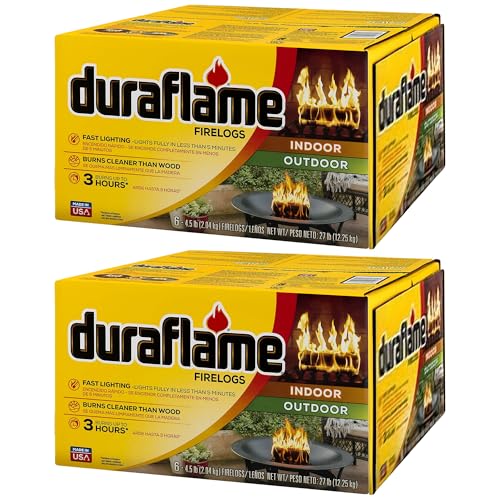
Duraflame 12-Pack Fire Logs for Indoor and Outdoor Use, 3-Hour Burn, 4.5 Lb Each – Firewood Starters and Accessories for BBQ, Camping, Stove, Pit and Chimney
Long-Lasting Warmth: Pack of 12 Duraflame fire logs that offer a convenient and authentic fire experience that burn…
As an affiliate, we earn on qualifying purchases.
As an affiliate, we earn on qualifying purchases.

Meeco's Red Devil FireEx, Chimney Fire Suppressant – Safely & Quickly Extinguishes Chimney Fires in Wood Stoves, Fireplaces & Inserts – No Ignition Required, No Water Damage – Made in The USA
EMERGENCY CHIMNEY FIRE SUPPRESSANT – 5” x 5” FIRE SUPPRESSION PACKET Quickly helps stop an active chimney fire…
As an affiliate, we earn on qualifying purchases.
As an affiliate, we earn on qualifying purchases.