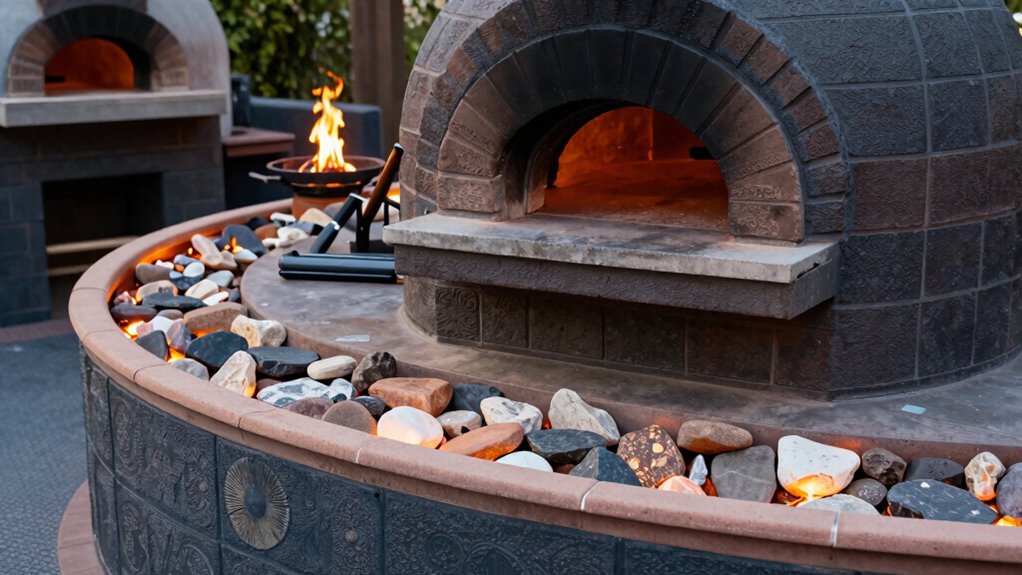

To create a safe zone around pizza ovens and fire features, establish a minimum three-foot radius and mark it clearly with barriers or signage. Use fire-resistant materials like brick or stone for boundaries, and keep the area free of combustible objects. Guarantee proper lighting, have fire extinguishers nearby, and communicate emergency plans. Regularly inspect the zone for hazards and update safety measures as needed. If you want expert tips, keep exploring for more detailed guidance.
Key Takeaways
- Establish a minimum three-foot radius around fire features, free of combustible objects or debris.
- Use fire-resistant materials like brick or stone to create physical barriers for added safety.
- Clearly mark boundaries with signage or barriers, and keep the area well-lit during use.
- Keep fire extinguishers and safety equipment nearby, and develop an emergency response plan.
- Regularly inspect the area for hazards, maintain safety protocols, and educate users on fire safety procedures.
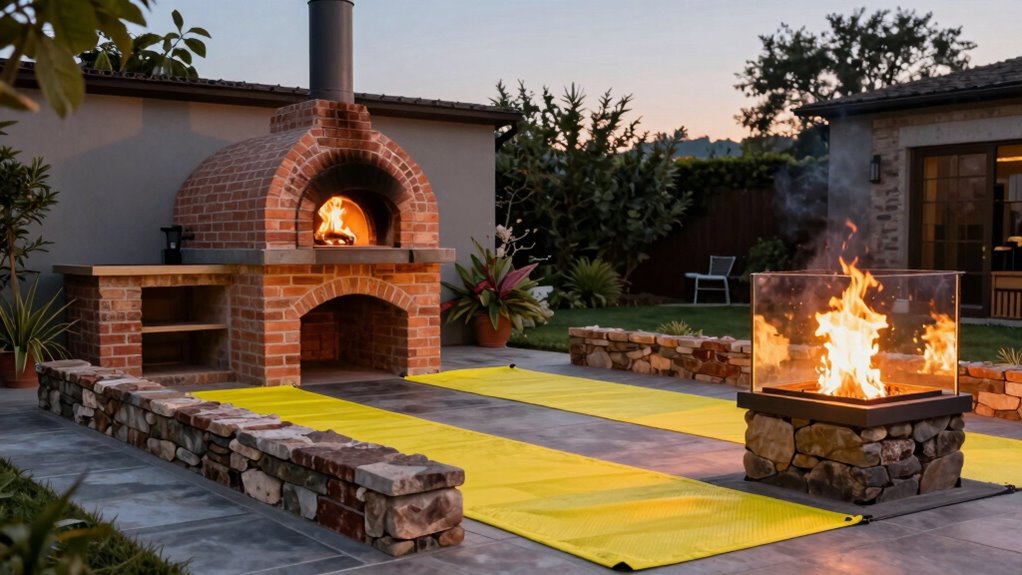
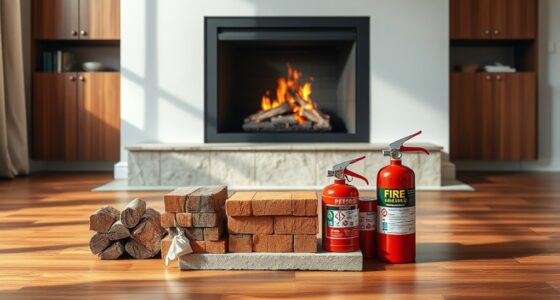
Have you ever considered how important it is to establish a safe zone around pizza ovens and fire features? Creating a designated safety area helps prevent accidents and keeps everyone protected. To do this effectively, you need to understand the importance of using fire resistant materials and implementing proper emergency precautions. Fire resistant materials are essential because they reduce the risk of fire spreading if something goes wrong. When choosing surfaces or barriers around your fire feature, opt for materials like brick, stone, or specialized fireproof boards. These materials don’t ignite easily and can withstand high temperatures, providing an extra layer of safety. Incorporating fire safety measures**—such as proper barriers and clear signage**—further enhances protection around your fire features.
Using fire-resistant materials like brick, stone, or fireproof boards enhances safety around pizza ovens and fire features.
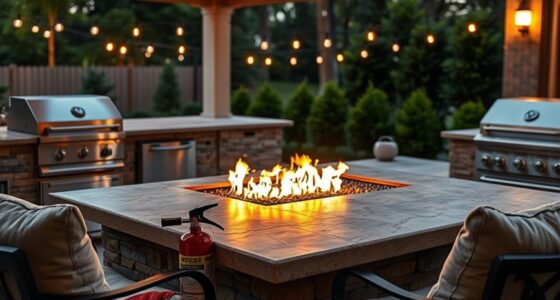
Setting a safe zone isn’t just about materials; it’s about creating a clear buffer that keeps people, especially children and pets, at a safe distance. You should establish a minimum radius around the oven or fire feature—generally at least three feet—where no combustible objects are allowed. This space acts as a protective barrier, preventing accidental contact with flames or hot surfaces. Make sure the area is well-marked, whether with boundary lines, signage, or physical barriers, so everyone knows where the safe zone begins and ends. Regularly inspecting the area for potential hazards, such as loose debris or combustible materials, can help prevent accidents before they happen. Additionally, understanding the importance of safety standards from reputable organizations can guide you in maintaining a secure environment. Using fire-resistant materials for barriers or surfaces also minimizes the risk of accidental fires spreading, adding an extra layer of security.
Emergency precautions are equally vital in maintaining safety. Have fire extinguishers nearby, specifically rated for grease and electrical fires, and ensure everyone knows how to use them. Keep a fire blanket on hand for quick response to small fires or flare-ups. Regularly check your equipment and surroundings for potential hazards, like loose debris or combustible materials, and clear these out promptly. It’s also wise to have an emergency plan in place. Everyone should know what to do if a fire gets out of control, including how to evacuate the area and call emergency services.
Lighting is another key element. Adequate illumination around the safety zone ensures you can monitor the fire feature at all times, especially during evening gatherings. It also discourages people from getting too close out of curiosity or distraction. Remember, safety isn’t a one-time effort; it’s ongoing. Regularly review your safety measures, update your emergency precautions, and make adjustments as needed based on usage and new safety standards.
fire-resistant brick for outdoor fire pits
As an affiliate, we earn on qualifying purchases.
As an affiliate, we earn on qualifying purchases.
Frequently Asked Questions
What Materials Are Safest for Constructing a Safe Zone?
You should use fire-resistant materials like concrete, brick, or stone for the safe zone, as they’re non-combustible surfaces that can withstand heat. Avoid using wood or other flammable materials near your pizza oven or fire feature. These non-combustible surfaces create a reliable barrier, reducing fire risks. Make sure the materials are properly installed and maintained to keep the safe zone effective and protect everyone nearby.
How Far Should the Safe Zone Extend From the Fire Feature?
Think of the safe zone as a protective moat around your fire feature. You should extend the safe zone at least 3 feet from the edges, following clearance guidelines and ensuring a buffer for safety. Use fire-resistant barriers where necessary to keep sparks and heat contained. This distance minimizes risks, giving you peace of mind while enjoying your pizza oven or fire feature safely.
Can Plants Be Placed Within the Safe Zone?
You shouldn’t place plants within the safe zone, especially combustible ones. Focus on plant placement that keeps fire-resistant foliage near the fire feature, reducing fire risk. Use fire-resistant plants like succulents, certain herbs, or drought-tolerant shrubs outside the safe zone. This approach adds greenery without compromising safety. Always make certain plants are well-maintained and away from direct heat or flames to prevent accidental fires.
What Are Emergency Procedures if a Fire Spreads Outside the Zone?
If a fire spreads beyond the safe zone, act quickly. Grab the nearest fire extinguisher and aim at the base of the flames, ensuring it’s accessible and well-placed nearby. Call emergency contact procedures immediately—dial 911 or local fire services. Keep calm, evacuate people safely, and avoid using water on electrical or grease fires. Staying prepared with clear extinguisher placement and knowing emergency steps can prevent disaster.
How Often Should the Safe Zone Be Inspected and Maintained?
You should inspect and maintain your safe zone regularly, ideally once a month, to guarantee fire resistant barriers stay intact and safety signage remains visible. Check for cracks, wear, and any damage that could compromise safety. Keep the area clean and free of combustible debris. Regular inspections help prevent accidents, ensuring the zone remains effective and compliant with safety standards, providing peace of mind during operation.
fire safety barrier for pizza oven
As an affiliate, we earn on qualifying purchases.
As an affiliate, we earn on qualifying purchases.
Conclusion
By establishing a safe zone around your pizza oven and fire features, you protect yourself, your loved ones, and your property. Keep a clear space, maintain proper barriers, and stay vigilant. Prioritize safety, prevent accidents, and enjoy your outdoor cooking adventures with peace of mind. Creating a safe zone isn’t just a precaution—it’s a commitment to safety, a way to enjoy your fire features responsibly, and a step toward safer, more enjoyable outdoor gatherings.
outdoor fire extinguisher rated for grease fires
As an affiliate, we earn on qualifying purchases.
As an affiliate, we earn on qualifying purchases.
fireproof barrier materials for fire features
As an affiliate, we earn on qualifying purchases.
As an affiliate, we earn on qualifying purchases.