
To prevent slips and falls, focus on installing non-slip surfaces that create textured, grip-friendly flooring in high-traffic or wet areas. Proper lighting also plays a vital role by making hazards like wet spots or obstacles more visible, reducing missteps. Regularly maintain and inspect floors, add clear signage, and keep walkways clean and dry. Combining these safety measures greatly lowers fall risks—stay with us to explore more effective strategies.
Key Takeaways
- Installing slip-resistant coatings and textured surfaces reduces the risk of slips and falls in high-traffic areas.
- Proper lighting enhances hazard visibility, allowing individuals to detect wet spots, obstacles, or uneven surfaces.
- Regular inspection and maintenance of flooring and lighting systems ensure ongoing safety effectiveness.
- Clear signage and environmental upkeep, such as cleaning spills and removing clutter, promote awareness and prevent accidents.
- Combining durable non-slip surfaces with well-lit environments creates a comprehensive approach to fall prevention.
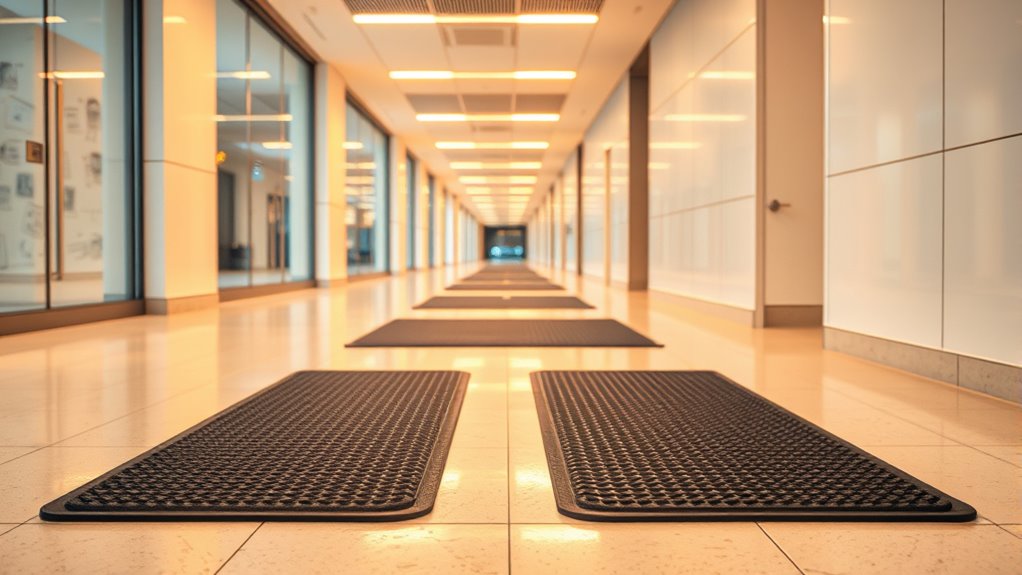
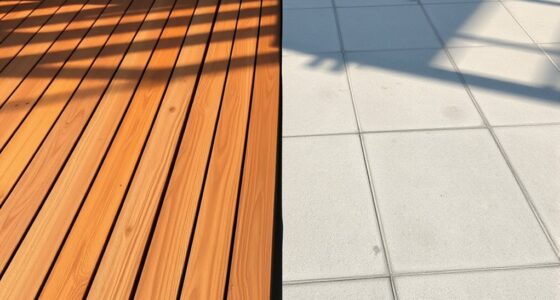
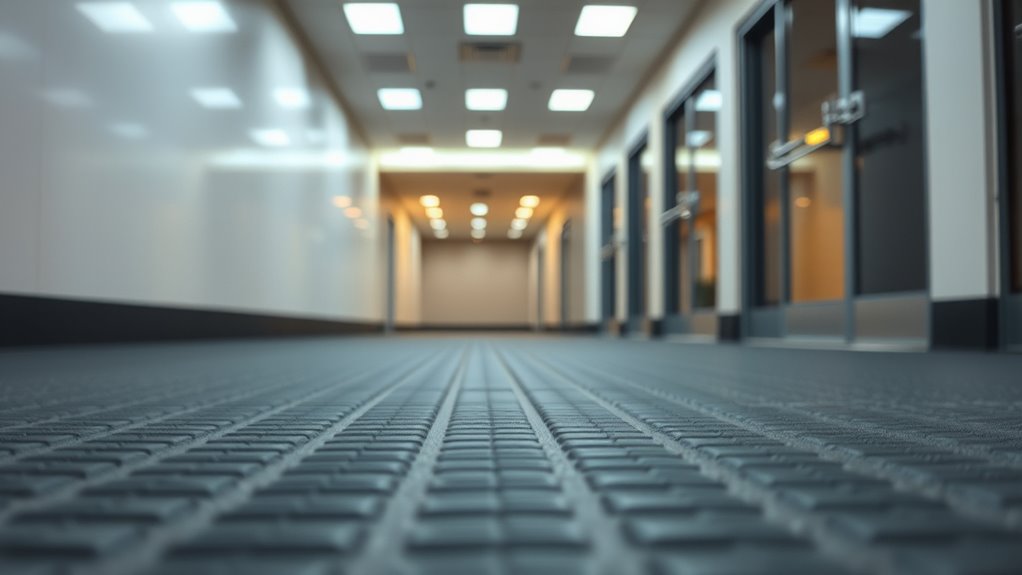
Slip and fall accidents can happen unexpectedly and often lead to serious injuries. These incidents are especially common in areas where the flooring isn’t properly designed or maintained. One effective way to reduce these risks is by paying attention to floor coatings. High-quality, slip-resistant floor coatings create a textured surface that provides better grip, even when floors are wet or greasy. By choosing the right coatings, you help eliminate one of the main hazards that cause falls. It’s essential to understand that not all floor coatings are suitable for every environment. For example, commercial spaces, kitchens, and outdoor walkways may require different types of coatings to ensure safety. Regularly inspecting and maintaining these coatings guarantees they remain effective. When you invest in durable, well-applied floor coatings, you actively reduce the risk of slips and falls, especially in high-traffic areas.
Hazard awareness is another critical component of slip and fall prevention. You should always be vigilant about potential hazards in your environment, such as wet floors, uneven surfaces, or cluttered walkways. Recognizing these risks allows you to take proactive steps to address them before an accident occurs. Proper lighting plays a significant role here. Poor illumination can obscure hazards, making it harder for you to see wet patches, obstacles, or uneven flooring. Ensuring that all areas are well-lit, particularly in stairwells, hallways, and entrances, greatly enhances hazard awareness. Bright, even lighting helps you navigate spaces confidently, reducing the likelihood of missteps. When combined with good floor coatings, proper lighting creates a safer environment by making hazards more visible and floors less slippery. Incorporating mindfulness techniques, such as paying close attention to your surroundings, can also help you detect potential hazards more effectively.
You also need to contemplate the importance of signage and communication. Warning signs should be placed prominently in areas where floor conditions might change unexpectedly, such as during cleaning or after inclement weather. This simple step heightens hazard awareness for everyone and encourages cautious behavior. Maintaining a clean, dry, and well-lit environment is a proactive way to prevent slips and falls. It’s not just about reacting to hazards but actively creating safer conditions through thoughtful design and regular upkeep. When you understand the importance of effective floor coatings and hazard awareness, you become more empowered to prevent accidents before they happen. By paying attention to these details, you help protect yourself and others from preventable injuries, fostering a safer space for everyone.

Trip Guard – Clear Anti Slip – Safety Tile and Floor Treatment – Commercial Grade Textured Non Slip Coating for Stairs, Floors, Walkways, Concrete, Decks, Pickleball Courts – Elimate Slippery Surfaces
REDUCE SLIPS AND FALLS: Innovative Tub Solutions’ clear, finely textured anti-slip coating provides safe traction for slippery surfaces,…
As an affiliate, we earn on qualifying purchases.
As an affiliate, we earn on qualifying purchases.
Frequently Asked Questions
Are Non-Slip Surfaces Suitable for Outdoor Environments?
Yes, non-slip surfaces are suitable for outdoor environments. You should consider outdoor-rated non-slip mats and textured paving to improve safety. These surfaces work well with proper footwear grip, reducing your risk of slipping outside. Indoor mats aren’t ideal for outdoor use because they may wear quickly or become slippery when exposed to weather. Verify the surface material is durable and slip-resistant to keep you safe in various outdoor conditions.
How Often Should Lighting Be Inspected for Safety?
You should inspect your lighting weekly, or at least monthly, to keep hazards at bay. Imagine emergency lighting flickering like a disco ball during a power outage—definitely not what you want. Regular maintenance schedules guarantee bulbs don’t burn out unnoticed, preventing potential falls. Don’t wait for a blackout chaos; proactive checks keep your space safe and well-lit, avoiding costly accidents and keeping everyone confident in your safety measures.
Can Non-Slip Treatments Damage Flooring Over Time?
Non-slip treatments can potentially affect flooring durability if applied improperly or too frequently. Over time, some treatments might cause wear or discoloration, impacting the treatment’s longevity and the floor’s integrity. To prevent damage, follow manufacturer instructions carefully and consider professional application. Regular inspections help you monitor how the treatment affects your flooring, ensuring it remains safe without compromising its durability over time.
What Are the Best Lighting Options for Staircases?
For staircase lighting, you should choose options that provide ideal illumination and enhance safety. LED strip lights or wall-mounted fixtures work well, offering bright, consistent light without glare. Install them along handrails, under stairs, or on the wall to clearly illuminate each step. This approach reduces trip hazards, improves visibility, and creates a welcoming ambiance. Make sure your staircase lighting is evenly distributed for the best safety and aesthetic appeal.
How Do Weather Conditions Affect Slip Prevention Measures?
Weather-related hazards can turn walkways into ice rinks or muddy paths, making slip prevention a constant challenge. You need to stay vigilant, especially during winter or rainy seasons, by performing seasonal maintenance like clearing ice, applying salt, and fixing uneven surfaces. These measures help you adapt to changing conditions, ensuring your surfaces remain safe and reducing the risk of slips and falls when you least expect it.

BooYu 8-pcs Sync Feature LED Emergency Strobe Lights Ultra Slim Grille Surface Mount Flashing Warning Hazard Light Bar w/Controller for Construction, Firefighter, Trucks, Vehicles, Car (Amber/White)
SUPER VISIBILITY — 8Pcs Surface Mount Strobe Lights are consists of 4pcs single row 12 LED chips and…
As an affiliate, we earn on qualifying purchases.
As an affiliate, we earn on qualifying purchases.
Conclusion
By prioritizing non-slip surfaces and proper lighting, you’re building a safety net that catches slips before they happen. Think of your space as a well-lit, slip-resistant dance floor—where every step is secure and confident. When you take these simple precautions, you’re not just preventing falls; you’re creating a sturdy foundation for safety. Stay vigilant, keep surfaces clear, and light the way—your proactive approach keeps everyone moving safely, like a perfectly choreographed routine.
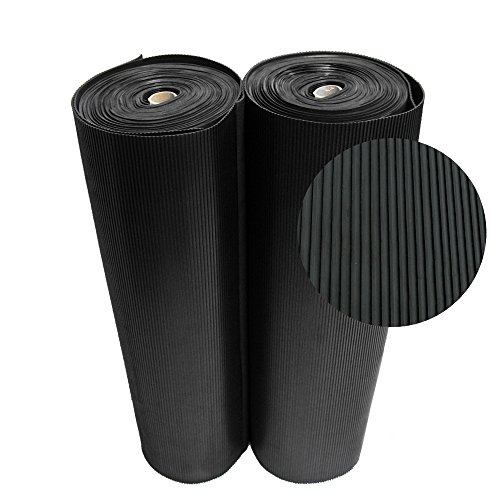
Rubber-Cal "Ramp-Cleat" Non-Slip Outdoor Rubber Mats – 1/8 in x 3 ft x 8 ft Floor Mat
This rubber runner has excellent durability, easy to move and install; It is affordable for any budget
As an affiliate, we earn on qualifying purchases.
As an affiliate, we earn on qualifying purchases.

WOUSEDO 2-Pack Caution Wet Floor Sign,17.5" Height,Bright Yellow Double-Sided Folding A-Shaped Frame Design, Bilingual Caution Message
Conspicuous Warning: Bright yellow and obvious signs that can be seen from a distance to increase pedestrian alertness
As an affiliate, we earn on qualifying purchases.
As an affiliate, we earn on qualifying purchases.