TL;DR
A Homes & Gardens report advises checking October forecasts and protecting vulnerable plants before a hard frost, especially young, potted or wet-sensitive specimens. Its list includes lavender, coral bells, bigleaf hydrangeas, rosemary, Japanese maples, gardenias and two other plants, though the supplied source text cuts off before identifying the final two. Protection depends on plant variety, local climate and growing conditions.
A Homes & Gardens report urges gardeners to check local forecasts and prepare vulnerable plants before the first hard frost, rather than relying only on hardiness labels. The advice focuses on plants that may suffer from winter wet, wind, freeze-thaw cycles or exposed roots, including lavender, coral bells, bigleaf hydrangeas, rosemary and Japanese maples.

Get garden gear delivered free with Prime
- Fast, free delivery on millions of items
- Prime Video, Amazon Music and more included
- Member-only deals all year
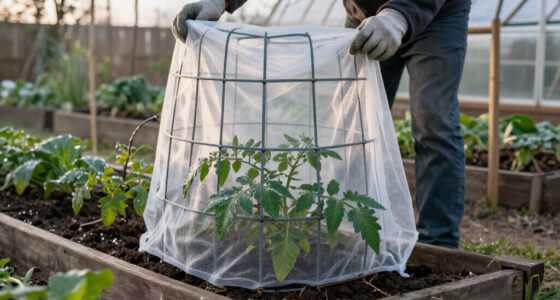
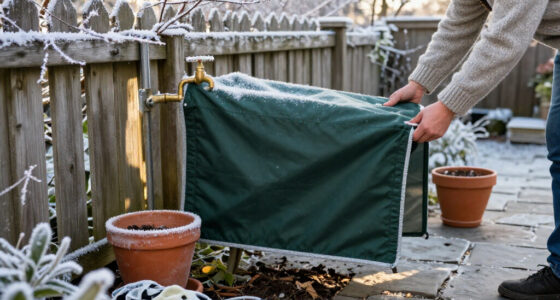
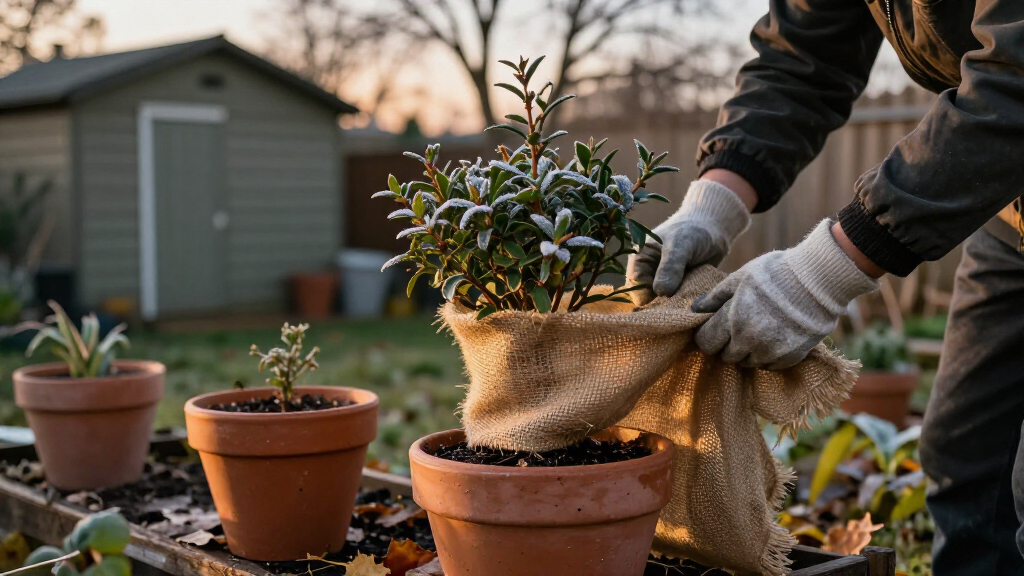
The report recommends tailoring protection to the plant and its setting: clear damp debris from lavender crowns, mulch around coral bells without covering their crowns, and shield bigleaf hydrangea buds only after the shrub is dormant and sustained cold has arrived. It advises using breathable covers rather than plastic pressed against foliage or stems, and keeping air moving around protected plants.
For potted plants, the report emphasizes that roots are more exposed to cold than roots in the ground. It suggests moving rosemary and container-grown Japanese maples to sheltered places, insulating pots when they must remain outdoors, and moving tender plants under cover during a deep freeze. Its headline promises eight plants, but the source material provided here cuts off during the gardenia section and does not identify the remaining entries or give complete advice for all eight.
The report gives approximate hardiness ranges for some examples, while noting that varieties and local conditions differ. Lavender is described as generally hardy in USDA Zones 5–9, rosemary as potentially outdoor-hardy in sheltered parts of Zones 7–10, and Japanese maples as often hardy in Zones 5–8. These ranges are guidance, not a guarantee for an individual plant or site.
How Frost Preparation Can Prevent Losses
Preparation can affect whether a plant survives winter and, for some shrubs, how well it flowers afterward. The report notes that bigleaf hydrangeas may survive while losing flower buds formed on old wood, so winter damage can reduce the next season’s bloom without killing the shrub.
It also highlights risks that a simple cold-hardiness rating may not capture. Waterlogged soil, exposed container roots and drying wind can harm plants even when brief cold is tolerable. For gardeners, checking drainage, location and plant age can be as relevant as knowing a zone rating.
The practical stakes are timely: a forecast gives gardeners a chance to move pots, clear wet debris or set up a breathable windbreak before cold weather arrives. The right measure varies; covering every plant or wrapping foliage tightly could trap moisture rather than solve the problem.
Products Worth Considering

Husqvarna Automower 435X AWD Robotic Lawn Mower

Solo Stove Pi Prime Portable Propane Pizza Oven

Blackstone 2363 20 x 14-Inch Camping Griddle
As an affiliate, we earn on qualifying purchases.
Why Plant Labels May Not Be Enough
The report is seasonal gardening guidance published by Homes & Gardens, not a report of a specific frost event or a new scientific study. Its central advice is to use October as a preparation window, while checking local forecasts because frost timing differs by region.
Several examples distinguish between a plant’s ability to survive and its vulnerability to particular winter conditions. Lavender may be hardy in suitable soil but struggle where water collects; coral bells can be pushed upward by repeated freezing and thawing; and container-grown plants have less soil around their roots to buffer temperature changes. Those differences explain why protection should be specific to the plant and its conditions.
“In October, make sure you check the forecast, not just the plant label.”
— Homes & Gardens report
Local Frost Dates and Missing Plant Entries
The supplied source excerpt ends partway through its gardenia section. Although its headline refers to eight plants, the available material identifies only five in full and begins a sixth; it does not establish the identities or recommendations for the final two. No advice for those plants is included here.
The report does not provide a location-specific forecast, and the timing and severity of frost depend on local weather. It also does not establish that every plant in a named species needs the same treatment: variety, age, soil drainage, exposure and container use can change the risk. Gardeners should check the needs of their specific plant and local guidance before applying a protective measure.
Check Forecasts Before Covering Plants
Gardeners should monitor local forecasts as temperatures fall, then act according to each plant’s needs. The report advises adding root-zone mulch after the soil cools, keeping mulch away from crowns and trunks where specified, and using breathable fabric when cold or wind threatens. For pots, move plants to a sheltered or frost-free place when their hardiness is uncertain.
Protection should be checked during mild spells and removed or opened when conditions allow, according to the report’s advice for covers. The next meaningful trigger is the local forecast for a hard frost; the source provides no single date that applies across regions.
Key Questions
Which plants does the available report identify as needing attention?
The supplied excerpt names lavender, coral bells, bigleaf hydrangea, rosemary and Japanese maple, and begins a section on gardenia. While the headline refers to eight plants, the excerpt does not show the remaining entries.
When should winter protection go on?
The report recommends checking forecasts in October and preparing before a hard frost. Some steps have their own timing: for example, it advises waiting until a hydrangea is dormant and temperatures are consistently cold before adding its bud protection.
Does a plant’s hardiness zone guarantee it will survive winter?
No. The report says varieties and local conditions differ. Drainage, wind exposure, plant age and whether it is growing in a pot can affect winter risk as well as the listed hardiness range.
Should plants be wrapped tightly in plastic?
The report favors breathable covers and warns against plastic against hydrangea stems. Its general advice is to protect against cold and excess wet without trapping moisture around leaves.
Source: rss