Using covers and enclosures helps protect your appliances from dust, dirt, and harsh weather, extending their lifespan and keeping them performing well. Choose durable, weather-resistant materials suited to your environment, ensuring a snug fit that prevents moisture and debris from getting in. Properly fitted covers are easy to maintain and can be adjusted as needed. Keep your equipment safe and in top shape, and you’ll find even more helpful tips as you continue exploring.

Get garden gear delivered free with Prime
- Fast, free delivery on millions of items
- Prime Video, Amazon Music and more included
- Member-only deals all year
Key Takeaways
- Select weather-resistant, durable, and breathable materials suited to outdoor or indoor environments for optimal protection.
- Ensure covers fit tightly around appliances to prevent dust, moisture, and debris from entering.
- Use adjustable straps or fasteners to secure covers during strong winds or adverse weather conditions.
- Regularly clean and maintain covers to prolong their lifespan and maintain appliance cleanliness.
- Match cover size and material quality to specific appliances to maximize protection and extend equipment longevity.
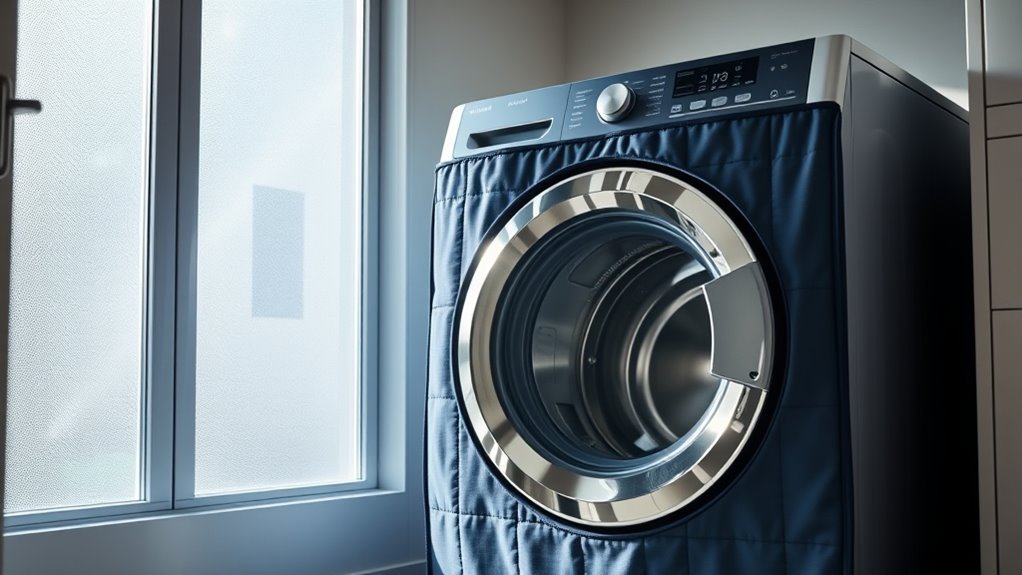
Protecting your appliances from dust, dirt, and weather damage is essential to extending their lifespan and ensuring ideal performance. When it comes to safeguarding your equipment, portable protection options are a smart choice. These covers and enclosures are designed to be easily movable, allowing you to shield your appliances whenever they’re not in use or during harsh weather conditions. With the right portable protection, you can prevent dust accumulation, minimize exposure to moisture, and shield devices from accidental bumps or scratches.
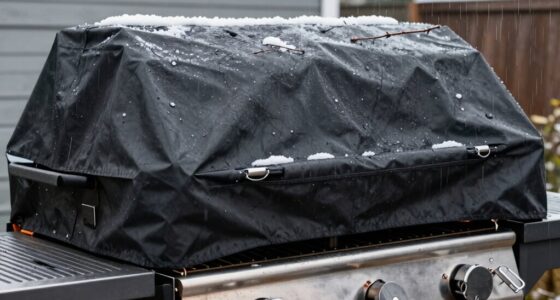
Portable covers protect appliances from dust, weather, and damage, keeping them safe and extending their lifespan.
Choosing the appropriate material for your covers and enclosures is critical. You want something durable yet flexible enough to fit your appliances snugly. Look for materials that are weather-resistant, such as heavy-duty vinyl, polyethylene, or polyester fabrics with protective coatings. These materials withstand rain, snow, wind, and UV rays, ensuring your appliances stay dry and protected over time. Additionally, consider options that are breathable to prevent condensation buildup, which can lead to rust or electrical issues. The right material selection not only prolongs the life of your appliances but also makes maintenance easier, as dirt and debris can be wiped off or brushed away without damaging the cover.
Beyond durability, your choice of material should align with your specific needs. For outdoor appliances, weatherproof and UV-resistant covers are paramount. If you’re protecting indoor equipment in dusty environments, a lightweight, dust-resistant fabric might suffice. Portability is also a factor; look for covers that are lightweight and easy to fold or roll up, so you can quickly put them on or take them off as needed. Some covers come with adjustable straps or fasteners to keep them secure even during strong winds, providing peace of mind that your appliances are shielded effectively.
Proper material selection is also about ensuring a good fit. Ill-fitting covers can trap moisture or allow dirt to seep in, defeating their purpose. Measure your appliances accurately and choose covers that match those dimensions. For long-term protection, investing in high-quality covers made from premium materials can save you money by reducing the need for frequent replacements and repairs. Remember, a well-chosen cover not only protects your appliances but also contributes to a cleaner, safer environment, free from dust, dirt, and weather-related stress.
As an affiliate, we earn on qualifying purchases.
Frequently Asked Questions
Are Covers Suitable for Outdoor Appliances Exposed to Weather?
Yes, covers are suitable for outdoor appliances exposed to weather if you choose ones made from durable materials like heavy-duty vinyl or polyester. These materials withstand rain, sun, and wind better, protecting your appliances effectively. Also, consider aesthetic aspects; covers come in various styles and colors, so you can select ones that blend well with your outdoor decor while ensuring long-lasting protection.
How Do Covers Affect Appliance Ventilation and Airflow?
Covers can impact ventilation and airflow by creating some airflow restriction around your appliances. While they protect against dust, debris, and weather, they may limit proper ventilation if not designed with vents or breathable materials. To minimize the ventilation impact, choose covers that allow airflow or add vents to prevent overheating. Regularly check your appliances to ensure they aren’t overheating due to restricted airflow caused by the covers.
Can Covers Be Used for Appliances in Humid Environments?
Yes, you can use covers for appliances in humid environments. Look for covers with good appliance insulation and durable materials that resist moisture and mold. guarantee the cover allows adequate airflow to prevent overheating while protecting against humidity. Durable covers made from water-resistant materials help maintain appliance performance and longevity, preventing rust and corrosion. Properly chosen covers keep your appliances protected without sacrificing their ventilation needs.
Are There Eco-Friendly or Biodegradable Cover Options Available?
Did you know that the global biodegradable packaging market is expected to grow at a 5.4% CAGR through 2028? You’ll find eco-friendly and biodegradable cover options made from biodegradable materials that break down naturally, reducing landfill waste. These covers are produced through eco-friendly manufacturing processes, making them a sustainable choice. By choosing biodegradable covers, you help protect the environment while keeping your appliances safe and environmentally conscious.
How Often Should Covers or Enclosures Be Replaced or Cleaned?
You should replace or clean covers and enclosures based on their material durability and your maintenance schedule. Typically, inspect them every few months for dirt, mold, or damage. If they’re biodegradable or eco-friendly, follow manufacturer guidelines, which might recommend more frequent cleaning or replacement to ensure protection. Regular upkeep keeps your appliances safe and extends the covers’ lifespan, so stay attentive to signs of wear and tear.
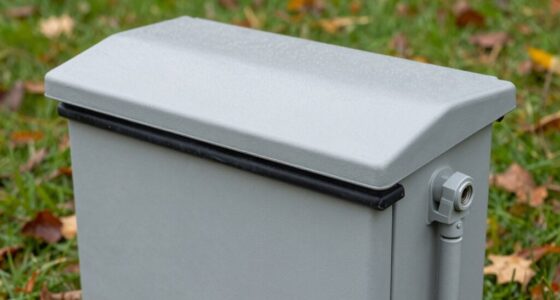
weatherproof appliance enclosures
As an affiliate, we earn on qualifying purchases.
As an affiliate, we earn on qualifying purchases.
Conclusion
By using covers and enclosures, you create a fortress of protection around your appliances, shielding them from dust, moisture, and damage. It’s like giving your appliances a cozy, armor-like blanket that keeps them safe and prolongs their lifespan. Taking this simple step is a small investment with a big payoff, ensuring your appliances stay pristine and functional. Remember, a well-protected appliance is the crown jewel in your home’s kingdom of comfort and efficiency.
As an affiliate, we earn on qualifying purchases.
portable appliance protection covers
As an affiliate, we earn on qualifying purchases.
As an affiliate, we earn on qualifying purchases.
Halloween Picks
halloween
As an affiliate, we earn on qualifying purchases.