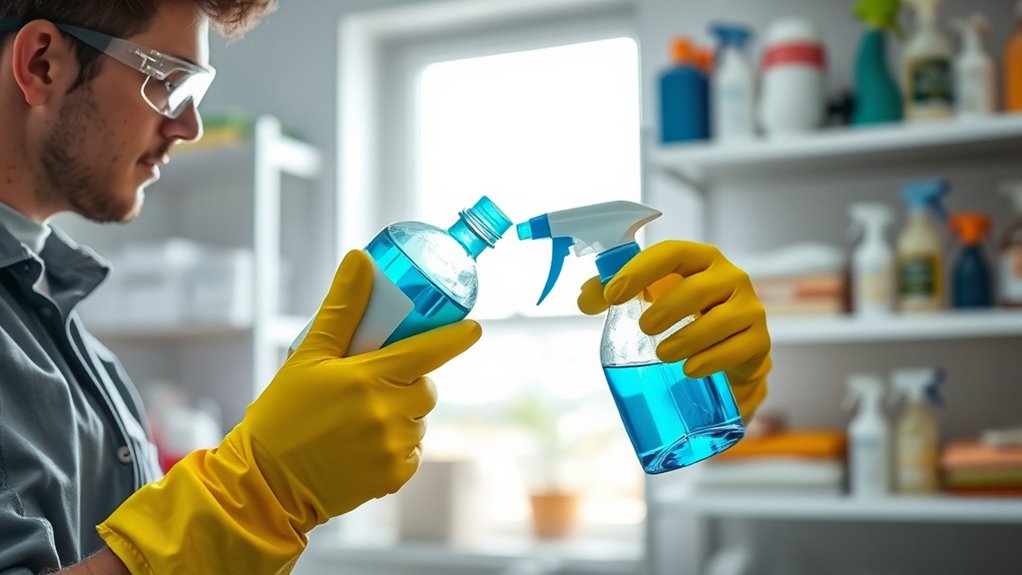

To handle cleaning chemicals safely, always read labels, follow instructions, and use protective gear like gloves and masks. Guarantee proper ventilation and never mix different products, especially bleach and ammonia, to avoid dangerous reactions. Store chemicals securely out of reach of children and pets, in their original containers. Using natural alternatives can reduce hazards further. Staying informed about product safety and emergency procedures helps prevent accidents—continue exploring to discover more tips for a safer cleaning routine.
Key Takeaways
- Always read and follow label instructions to ensure proper chemical handling and avoid dangerous reactions.
- Wear protective gear like gloves and ensure good ventilation when using cleaning chemicals.
- Store chemicals in original, labeled containers away from children and pets to prevent accidental exposure.
- Choose natural or less-toxic cleaning alternatives to reduce health risks and chemical hazards.
- Familiarize yourself with safety data sheets (SDS) and emergency procedures for safe response to spills or exposure.
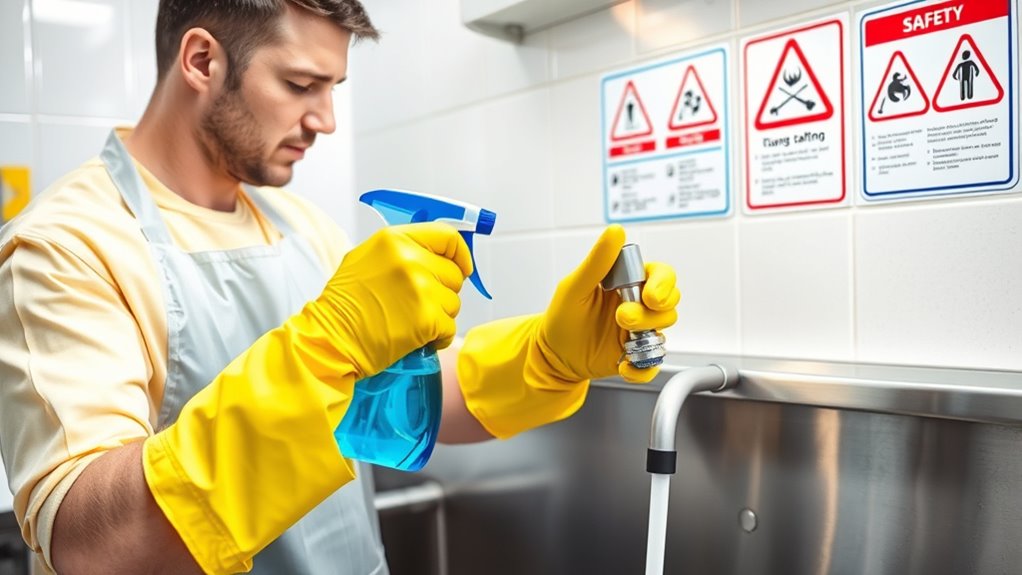
Have you ever wondered if your cleaning routine is truly safe? It’s easy to overlook the potential hazards hidden in everyday cleaning products, but understanding chemical safety is vital for protecting yourself and your loved ones. When you handle cleaning chemicals properly, you greatly reduce the risk of accidents and health issues. The key lies in hazard prevention, which involves recognizing the dangers of certain substances and taking proactive steps to minimize exposure. Always read labels carefully and follow the manufacturer’s instructions—this simple act can prevent misuse and dangerous reactions. Keep in mind that many cleaning products contain chemicals that can cause skin irritation, respiratory problems, or even more severe health effects if mishandled. Wearing gloves and ensuring good ventilation while cleaning can make a big difference in preventing these hazards.
Handling cleaning chemicals properly minimizes health risks and hazards.
Storing chemicals properly is another essential aspect of hazard prevention. Never leave cleaning products in easily accessible places, especially where children or pets can reach them. Store chemicals in their original containers with clear labels, and ensure lids are tightly sealed to prevent leaks or accidental spills. Mixing different cleaning agents, particularly bleach and ammonia, can produce toxic gases, so avoid combining products unless explicitly instructed by the manufacturer. When you’re finished cleaning, double-check that all bottles are secure and stored away from high-traffic areas. This reduces the chances of accidental ingestion or contact, which can be dangerous.
Using natural or less-toxic alternatives can also improve your chemical safety. Many household ingredients like vinegar, baking soda, and lemon juice can tackle common messes without the risks associated with harsh chemicals. Switching to these options not only supports hazard prevention but also promotes a healthier environment in your home. When you do use commercial cleaners, opt for products with fewer volatile organic compounds (VOCs) and avoid aerosol sprays that can release harmful particles into the air.
Additionally, understanding the importance of vetted sources of information can help you make safer choices and stay updated on best practices for chemical safety. Finally, educate yourself about the chemicals you’re using. Familiarize yourself with safety data sheets (SDS) available online or from the manufacturer. These documents provide detailed information on potential hazards and emergency procedures. In case of accidental exposure or spills, knowing how to respond quickly can prevent serious health consequences. Practicing chemical safety and hazard prevention isn’t just about following rules—it’s about actively protecting your health and creating a safer cleaning environment. Taking these steps ensures that your routine remains effective without compromising safety, giving you peace of mind while keeping your space spotless.

ThxToms Chemical Resistant Nitrile Gloves, Resist Household Acid, Alkali, Solvent and Oil, Latex Rubber Free, 1 Pair Medium
【Heavy-Duty Chemical Resistance】High-end nitrile gloves possess excellent chemical resistance, providing a tough barrier against harsh substances such as…
As an affiliate, we earn on qualifying purchases.
As an affiliate, we earn on qualifying purchases.
Frequently Asked Questions
How Should I Store Cleaning Chemicals Safely at Home?
You should store cleaning chemicals safely at home by following proper storage tips. Keep them in a cool, dry place away from children and pets, ideally in a locked cabinet. Always use clear labeling practices, ensuring labels are visible and include hazard warnings. Avoid storing chemicals near food or beverages, and never mix different cleaners. Regularly check containers for leaks or damage, and dispose of expired products properly to maintain a safe environment.
What Should I Do if Someone Ingests a Cleaning Chemical?
Imagine you’re in the wild west, but instead, someone’s just ingested a cleaning chemical. You should immediately call emergency services and don’t try to induce vomiting unless directed by poison control. Recognize symptoms like nausea, difficulty breathing, or dizziness. Stay calm, keep the person still, and provide any details about the chemical ingested. Your quick emergency response can be life-saving, so act fast and get professional help right away.
Are Natural Cleaning Products Safer Than Chemical-Based Ones?
Natural cleaning products are generally safer than chemical-based ones because they use eco-friendly ingredients that reduce the risk of harmful chemical reactions. You benefit from fewer fumes and lower toxicity, making them better for your health and the environment. However, always read labels and test products first, as natural doesn’t mean completely risk-free. Using eco-friendly ingredients helps you clean effectively while minimizing hazards associated with traditional chemicals.
How Can I Identify if a Chemical Is Hazardous?
You can identify if a chemical is hazardous by paying attention to label awareness and hazard symbols. Look for warning labels, safety data sheets, and specific symbols like skulls, flames, or exclamation marks. These indicators quickly tell you about potential dangers. Always read labels carefully before use, and familiarize yourself with hazard symbols so you can handle chemicals safely and prevent accidents.
What Are the First Steps in a Chemical Spill Cleanup?
When a spill occurs, you want to act swiftly—don’t let it fester. Start with spill response by securing the area and wearing appropriate PPE. Then, follow proper cleanup procedures, such as containing the spill with absorbent materials and ventilating the space. Always check the chemical’s label or safety data sheet for specific instructions. By staying calm and methodical, you mitigate hazards and guarantee safe cleanup for everyone involved.

Parcil Distribution Industrial Air Purifying Respirator Mask, Survival, and Chemical PT-100 Full Face Respirator – Activated Carbon Organic Vapor Particulate Respirator Mask with Filters – CE Tested
ADVANCED RESPIRATORY PROTECTION: This full face respirator mask bundled with filters offers comprehensive protection from organic vapors and…
As an affiliate, we earn on qualifying purchases.
As an affiliate, we earn on qualifying purchases.
Conclusion
By handling chemicals carefully, you protect yourself from hidden dangers lurking in every spray and wipe. Imagine the gentle swirl of a cloth, gliding smoothly over surfaces, free from hazardous fumes. With each cautious step, you create a safer space—where cleanliness and safety dance together in harmony. Keep your focus sharp, your actions deliberate, and let the calm rhythm of safe cleaning brighten your environment and your peace of mind.
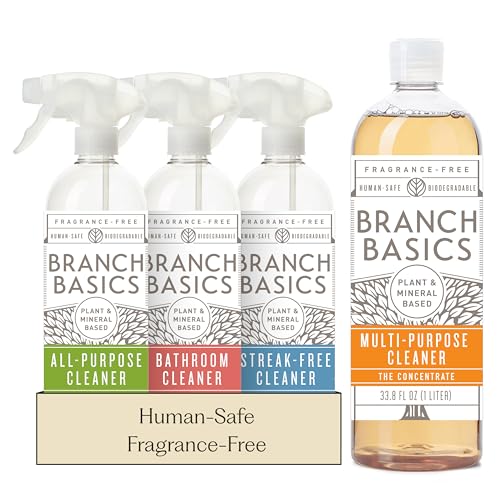
Branch Basics Cleaning Essentials Kit: All Purpose, Glass and Bathroom Cleaner – Concentrate (33.8 Oz) (17 Refills) + Refillable Plastic Spray Bottles (24 Oz) Plant Based, Human-Safe, & Fragrance Free
HUMAN-SAFE CLEANING CONCENTRATE: This kit includes our versatile Concentrate (33.8 fl oz), designed to replace every cleaner in…
As an affiliate, we earn on qualifying purchases.
As an affiliate, we earn on qualifying purchases.

Casabella Cleaning Storage Caddy with Handle Plastic Multipurpose Organizer, Rectangle, 1.85-Gallon, Gray
PORTABLE CLEANING ORGANIZER: Lightweight cleaning caddy makes it simple to move supplies from room to room and is…
As an affiliate, we earn on qualifying purchases.
As an affiliate, we earn on qualifying purchases.