
When thinking about backup fuel outdoors, focus on safe storage, accessibility, and proper handling. Use weather-resistant containers, store fuel in cool, well-ventilated areas away from flammables, and label everything clearly. Regularly inspect and rotate supplies to prevent deterioration. Keep your fuel organized in a designated outdoor spot where everyone knows it’s stored, and consider portable options for quick access. Want to discover more proven tips to improve your backup fuel plan?
Key Takeaways
- Prioritize safe storage in durable, labeled containers, kept in cool, ventilated outdoor areas away from hazards.
- Regularly inspect and rotate fuel supplies to maintain quality and prevent safety issues.
- Organize a designated outdoor storage space easily accessible for quick retrieval during emergencies.
- Educate household members on proper handling, compatibility, and safety procedures for different fuel types.
- Use portable containers for flexibility, ensuring quick access and mobility in outdoor backup fuel scenarios.

Are you prepared for outdoor emergencies when your primary fuel sources run out? Thinking about backup fuel outdoors is a essential part of your emergency preparedness plan. It’s not just about having extra fuel; it’s about understanding how to store it safely, access it efficiently, and use it responsibly when disaster strikes. Outdoor environments can be unpredictable, and without proper planning, you might find yourself without the energy needed to keep essentials running, whether it’s cooking, heating, or powering devices. That’s why a clear strategy for backup fuel is indispensable for survival and comfort during tough times.
Fuel storage outdoors requires careful consideration. You need containers that are durable, weather-resistant, and designed specifically for fuel. Avoid makeshift containers that can leak or degrade over time. Proper storage also means keeping fuels in a cool, well-ventilated area away from direct sunlight and flammable materials. This reduces the risk of accidents and preserves the fuel’s quality over time. Additionally, always store backup fuel in quantities that match your actual needs—more isn’t always better if it compromises safety. Label your containers clearly and separate different types of fuel to prevent confusion during emergencies. Incorporating monitoring tools can help you keep track of your fuel supplies and usage, ensuring you’re always prepared. Regular maintenance and inspections are vital to prevent leaks or deterioration, which can compromise safety and fuel quality. Understanding the fuel properties can also help you choose the right storage conditions and handling practices. Moreover, being familiar with fuel compatibility ensures you select appropriate containers and avoid hazardous reactions.
Store outdoor fuel in durable, weather-resistant containers away from sunlight and flammables for safety and quality.
In terms of emergency preparedness, it’s wise to create a designated area for your outdoor fuel supplies and guarantee everyone in your household knows where it is and how to handle it safely. Regularly check your fuel storage to make sure containers are intact and the fuel remains usable. Rotating your supplies helps prevent old fuel from becoming unusable or contaminated. Think about how you’ll access your backup fuel quickly if needed—easy access can make a significant difference in urgent situations. Additionally, maintaining a comprehensive emergency plan that includes backup fuel management can enhance your overall readiness. Also, consider investing in portable fuel containers for added flexibility, especially if you need to move supplies or create a mobile setup.
Beyond storage, you should educate yourself on the safe handling and use of fuels, whether it’s propane, gasoline, or kerosene. Proper training can prevent accidents and ensure that you’re maximizing the lifespan of your backup supplies. Proper fuel handling is crucial for safety and efficiency and should be part of your preparedness routine. Remember, backup fuel is only useful if you can use it safely and effectively when necessary. Incorporating these practices into your emergency preparedness routine ensures you won’t be caught unprepared. When you think about backup fuel outdoors in a strategic, responsible way, you’re taking a critical step toward maintaining your safety, comfort, and independence during any crisis.

VEVOR Fuel Caddy, 35 Gallon, Gas Storage Tank on 4 Wheels, with Manual Transfer Pump, Gasoline Diesel Fuel Container for Cars, Lawn Mowers, ATVs, Boats, More, Yellow
- High Capacity Fuel Caddy: 35-gallon fuel storage for various fuels
- Two-Way Rotary Pump: Efficient bi-directional fuel dispensing
- Easy Transport & Use: Heavy-duty wheels and ergonomic handle
As an affiliate, we earn on qualifying purchases.
As an affiliate, we earn on qualifying purchases.
Frequently Asked Questions
What Safety Precautions Should I Take When Handling Backup Fuel Outdoors?
When handling backup fuel outdoors, you should always wear proper safety gear like gloves and goggles to protect yourself from spills and fumes. Use a secure, approved fuel container and keep it upright to prevent leaks. Handle fuel in a well-ventilated area, away from open flames or heat sources. Store fuel out of reach of children and pets, and never smoke near it. Taking these precautions keeps you safe and prevents accidents.
How Long Can Backup Fuel Be Stored Safely Outside?
You can store backup fuel outside safely for about 6 to 12 months, but this depends on factors like fuel degradation and container materials. Gasoline, for example, starts to degrade after 30 days, reducing its effectiveness and potentially causing engine issues. Using proper, airtight containers made of approved materials helps prevent contamination and evaporation. Regularly check stored fuel and rotate supplies to guarantee freshness and safety for extended outdoor use.
What Are the Environmental Impacts of Outdoor Fuel Storage?
Outdoor fuel storage can harm the environment if fuel leaks or spills occur, leading to soil and water contamination. Fuel contamination from leaks can harm plants and wildlife, while improper storage might violate regulations. You should follow storage regulations strictly, such as using proper containers and secure locations, to prevent leaks. Regularly inspecting your storage setup minimizes environmental risks and guarantees you’re compliant with safety standards.
How Do Temperature Changes Affect Backup Fuel Stability?
Temperature fluctuations can markedly impact backup fuel stability by accelerating fuel degradation. When temperatures rise or fall unexpectedly, fuel components break down faster, reducing its effectiveness and potentially causing engine issues. You should store backup fuel in insulated or temperature-controlled containers to minimize these effects. Monitoring storage conditions regularly helps guarantee fuel remains stable, preventing costly problems and ensuring reliable backup power when you need it most.
Can Backup Fuel Be Used Directly From Outdoor Containers?
Yes, you can use backup fuel directly from outdoor fuel containers, but make certain you follow proper storage guidelines. Always check that the fuel container is designed for outdoor use and is in good condition. Prior to use, guarantee the container is sealed tightly and stored in a cool, well-ventilated area away from direct sunlight and heat sources. Adhering to storage guidelines ensures fuel remains safe and effective for your needs.

Scepter Duramax Flo ’N Go 14 Gallon Gas Caddy, 53 Liter Fuel Tank, Red
- Capacity: 14-gallon (53L) fuel tank
- Mobility: Heavy-duty wheels and handle
- Durable Construction: High-density polyethylene material
As an affiliate, we earn on qualifying purchases.
As an affiliate, we earn on qualifying purchases.
Conclusion
When you think about backup fuel outdoors, it’s like having a secret weapon against nature’s surprises. You don’t want to be caught unprepared when the weather turns wild or your main power source fails. Keep a reliable stash of backup fuel, store it safely, and check it regularly. Remember, with the right backup, you’ll be unstoppable—like a fortress against chaos. Stay prepared, stay confident, and enjoy your outdoor adventures without a hitch!
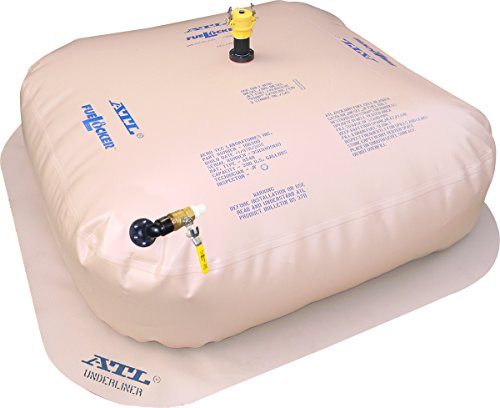
300 Gallon ATL FueLocker Auxiliary Fuel Bladder Kit With Tote-Bag & Tie-Down
- Capacity: 300 Gallon (1200 liter) fuel bladder
- Durable Material: Mil-Spec rubberized construction
- Hardware Included: 2 standard bladder hardware pieces
As an affiliate, we earn on qualifying purchases.
As an affiliate, we earn on qualifying purchases.

Fuel Tags™ Reusable Fuel Container Tags – Diesel, Gasoline, Mixed Fuel & Ethanol Free – Stainless Steel Cable Included – Prevent Costly Fuel Mix-Ups – Variety Pack
- Clear Fuel Identification: Easy-to-read labels for quick recognition
- Reusable Cable System: Move tags easily between containers
- Color-Coded Labels: Bold colors for quick identification
As an affiliate, we earn on qualifying purchases.
As an affiliate, we earn on qualifying purchases.