
When managing heat zones in a multi-cook station, focus on controlling temperature distribution to suit each dish’s needs. Match cookware to the heat source—cast iron for steady heat, aluminum or copper for quick response—to avoid uneven cooking. Adjust zones for safety and efficiency, keeping hot spots and flame levels in check. Properly managing these zones helps you create a smooth workflow and improve dish quality. Keep exploring to master this essential skill for a well-organized cooking environment.

Get garden gear delivered free — and shop member deals
- Fast, free delivery on millions of items
- Access to Prime Big Deal Days deals on October 6–7
- Prime Video, Amazon Music and more included
Key Takeaways
- Identify and designate specific zones for different cooking tasks based on heat intensity requirements.
- Match cookware materials to the heat zone for optimal performance and safety.
- Use zone dividers or adjust power settings to manage uneven heat distribution effectively.
- Prioritize safety by controlling hot surfaces and preventing flare-ups across zones.
- Maintain a well-organized workflow to ensure even cooking and efficient use of all heat zones.
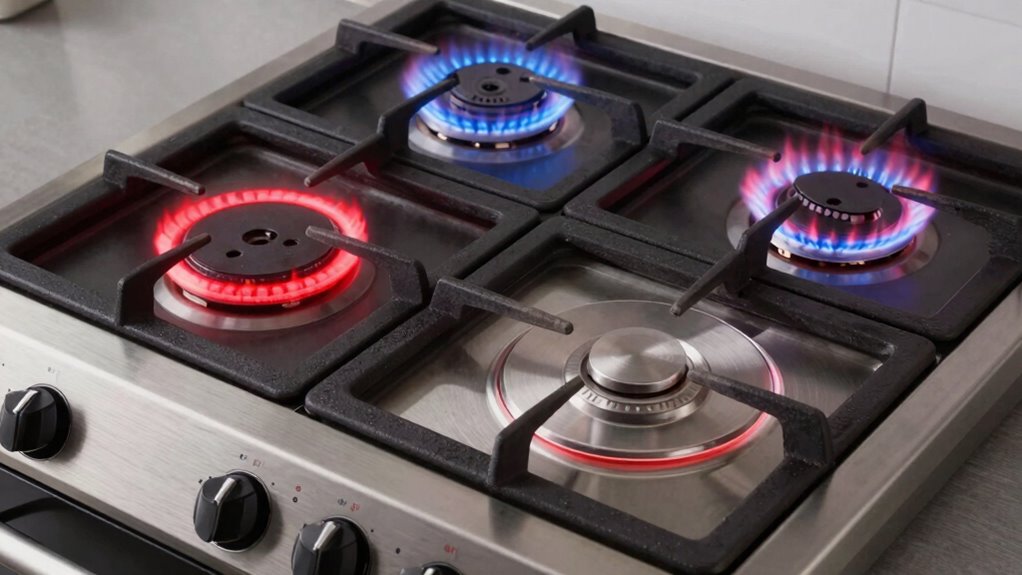
When setting up a multi-cook station, understanding how to manage heat zones is essential for efficient and safe cooking. A well-organized station allows you to control temperature distribution across different burners or cooktops, ensuring each dish gets the right amount of heat. This prevents burning, undercooking, or uneven results. To do this effectively, you need to contemplate how heat is distributed and how your cookware interacts with each zone. Not all cookware heats the same way, and some are better suited for specific heat levels. For example, cast iron retains heat well and provides steady, even warmth, making it perfect for searing or slow cooking. Conversely, thin aluminum or copper cookware heats quickly and responds faster to temperature changes, which is ideal for delicate sauces or stir-fries. When planning your station, match the cookware to the heat zone it performs best in to optimize performance and safety.
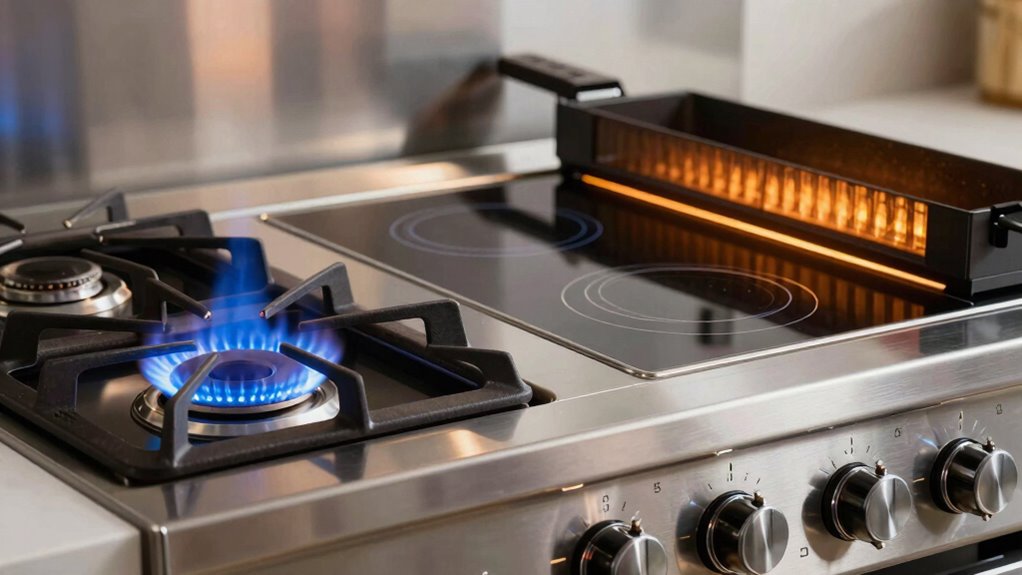
Managing temperature distribution involves understanding the capabilities and limitations of your heating elements. Electric stoves tend to offer more consistent heat across larger areas, while gas burners provide rapid adjustments. You want to position your most sensitive or delicate dishes on zones with precise temperature control, and reserve higher heat zones for tasks like boiling water or frying. By doing so, you avoid accidental overcooking or damage to your cookware. Remember, a mismatch between cookware compatibility and heat zone can lead to uneven heating, warping, or even safety hazards if cookware overheats or melts. Always verify that your cookware’s material and construction are suitable for the heat levels you plan to use. Additionally, understanding how different heat zones interact with various cookware types can help prevent issues like hotspots or uneven cooking. Being familiar with the heat distribution characteristics of your setup allows for better adjustment and control during cooking.
Furthermore, understanding heat transfer methods can help you optimize your cooking process and avoid common pitfalls related to uneven heating. Additionally, consider how your heat zones interact with each other. If one zone generates excessive heat while another remains cool, it can create uneven cooking environments. Using zone dividers or adjusting the flame or power settings helps balance this out. Keep in mind that different cookware types respond differently to heat, so staying aware of how each piece behaves is key. Your goal is to create a seamless workflow where each dish heats evenly, and the temperature distribution across your station supports your cooking tasks. Properly managing heat zones not only improves the quality of your dishes but also enhances safety by reducing the risk of accidents caused by hot surfaces or unexpected flare-ups. Ultimately, understanding these principles helps you become more efficient, precise, and confident in your multi-cook station.
As an affiliate, we earn on qualifying purchases.
Frequently Asked Questions
How Do Heat Zones Differ Between Gas and Electric Cooktops?
Gas cooktops offer more precise temperature control and zone customization since you can adjust the flame size directly, giving you varied heat levels across different areas. Electric cooktops typically have fixed zones or burners, making it harder to customize heat. You’ll find that gas allows for quicker adjustments, so you can better manage multiple heat zones in a multi-cook station. This difference impacts how you control cooking processes efficiently.
What Safety Precautions Should Be Taken Around High-Heat Zones?
Think of high-heat zones like a wildfire—you need to respect their power. Always keep a fire extinguisher nearby and never leave cooking unattended. Use oven mitts to prevent burns, and keep flammable items away from open flames. Practicing cooking safety helps prevent accidents, ensuring fire prevention and safe kitchen environments. By staying alert and cautious, you protect yourself and others from potential hazards around hot surfaces.
How Can I Optimize Heat Zones for Energy Efficiency?
You can optimize heat zones for energy efficiency by customizing each zone to match your cooking needs, avoiding unnecessary energy use. Use zone customization to turn off or lower heat in areas when not in use, and group similar cooking tasks together to minimize heat loss. Regularly monitor your energy consumption to identify inefficiencies, and adjust heat settings accordingly, ensuring you’re using just enough energy to cook effectively without waste.
What Are Common Mistakes When Setting Heat Zones for Multiple Dishes?
Think of your heat zones like a orchestra, where each instrument needs its own space to shine. Common mistakes include misplacing pans, which disrupts even heat distribution, and poor zone calibration, leading to uneven cooking. If you don’t carefully consider pan placement and properly calibrate each zone, flavors can clash, and dishes may over- or undercook. Pay close attention to zone setup to keep your culinary symphony harmonious.
How Do I Troubleshoot Uneven Heat Distribution in Multi-Cook Stations?
To troubleshoot uneven heat distribution, first check the heat transfer between your burners and cookware, ensuring nothing obstructs it. Next, verify your zone calibration—make sure each zone heats evenly and accurately. If certain areas are cooler or hotter, recalibrate the zones or adjust the placement of your cookware. Regularly cleaning your equipment also improves heat transfer, preventing hot or cold spots and ensuring consistent cooking results.
As an affiliate, we earn on qualifying purchases.
Conclusion
Mastering heat zones transforms your kitchen into a symphony of flavors, where each burner plays its part perfectly. Think of your stove as an orchestra, with each zone a different instrument, harmonizing to create culinary magic. When you understand and utilize these zones effectively, your dishes will reach new heights of perfection. So, embrace the heat zones—let them be your guiding compass in the art of multi-cook mastery, turning chaos into culinary harmony.
As an affiliate, we earn on qualifying purchases.
copper cookware for precise temperature control
As an affiliate, we earn on qualifying purchases.
As an affiliate, we earn on qualifying purchases.
Fall yard work Picks
leaf blowers
As an affiliate, we earn on qualifying purchases.