TL;DR

Get garden gear delivered free with Prime
- Fast, free delivery on millions of items
- Prime Video, Amazon Music and more included
- Member-only deals all year
An Amateur Gardening report recommends seven plants and shrubs for damp borders, pond edges and other consistently wet areas. It also advises gardeners to avoid walking or digging on waterlogged soil, use coarse mulch where appropriate and leave space around stems for airflow.
Amateur Gardening has outlined seven plants and shrubs suited to wet garden conditions, offering options for adding colour to boggy borders, pond edges and damp corners. The report also recommends limiting foot traffic and digging on waterlogged soil to reduce damage during prolonged wet weather.
The suggested plants span shrubs, perennials and a wildflower: dogwood (Cornus), Physocarpus opulifolius ‘Diablo’, Ligularia dentata ‘Desdemona’, yellow flag iris, red bistort, astilbe and ragged robin. Their stated growing preferences vary, so the list is not a recommendation to plant all seven in the same conditions.
Dogwood can grow in moist, heavy clay soil and is described as suitable for borders and hedging, with full sun preferred. The report highlights the red stems of dogwood and the orange, yellow and red tones of ‘Midwinter Fire’. ‘Diablo’ has deep purple foliage and clusters of small white flowers, but the report says to avoid locations that become fully waterlogged.
For consistently moist ground, the report suggests ‘Desdemona’ ligularia in damp areas or pond margins, preferably in partial shade with mulch. Yellow flag iris grows in water and wet ground and can help stabilise muddy areas, but it is toxic to people, livestock and pets if eaten. Red bistort suits fertile, damp soil and needs room to spread; astilbe prefers humus-rich soil that does not dry out; ragged robin can grow in boggy soil in a sunny spot.
Choosing Plants for Soggy Borders
Matching plants to the wettest parts of a garden can give gardeners more options than trying to grow plants that prefer drier conditions in persistently damp soil. The report’s choices provide different forms of colour and structure, including bright iris flowers, purple shrub foliage and flowering perennials.
The recommendations do not mean every plant will tolerate standing water. ‘Diablo’, for example, is described as preferring moist but well-drained soil, while other plants on the list are suited to boggier sites. Checking each plant’s needs before planting can help avoid placing a moisture-loving plant in conditions that are still too wet—or one that needs drainage in a saturated spot.
The accompanying soil advice also addresses a practical risk: repeated pressure on waterlogged ground can compact soil and damage its structure. Avoiding unnecessary foot traffic and tilling may help protect lawns, beds and roots while the ground is saturated.
Products Worth Considering

Solo Stove 52.6 Fire Pit Surround – Protective Barrier & Outdoor Tabletop

Sinimaka 8-Pack Twin-Wall Polycarbonate Greenhouse Panels, 8 x 4 ft

Sinimaka 10-Pack Twin-Wall Polycarbonate Greenhouse Panels, 8 × 4 ft
As an affiliate, we earn on qualifying purchases.
The Seven Plants and Their Sites
The report frames wet-weather planting as one response to gardens affected by rain and soggy soil. It says a selection of plants suited to damp conditions can keep some areas of a garden visually appealing through wet seasons. It also refers to a potentially severe El Niño event, but supplies no forecast details or evidence about how that event would affect a particular garden.
Its planting guidance is specific to each selection. Dogwood is recommended for sunny, damp borders; ligularia for moist, partly shaded ground; and yellow flag iris for water or muddy areas. Astilbe is suited to shadier locations if its soil stays moist, while ragged robin is described as a sunny-site wildflower. The report advises dividing ragged robin in spring every few years.
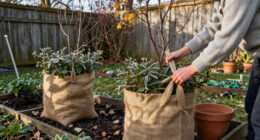
To protect soil, the report advises gardeners to stay off waterlogged ground where possible and avoid extensive digging or tilling during very wet periods. If using mulch, it recommends coarse materials such as wood chips or chunky bark rather than fine matter; during prolonged rain, it says mulch can be omitted. It also advises leaving open space around trunks, crowns and stems to support air circulation.
“Avoid walking on waterlogged soil.”
— Amateur Gardening
Limits of the Planting Advice
The source material does not provide a publication date, named gardening expert or independent trial data for the plant recommendations. It also does not specify regional climate, soil drainage rates or plant hardiness zones, all of which can affect whether a particular plant will thrive in a reader’s garden.
The report’s reference to a potentially severe El Niño is not accompanied by a forecast source, timeframe or local rainfall projections. It should not be read as a confirmed prediction that every area will have wetter conditions. Gardeners should also check local guidance before planting yellow flag iris, particularly because the report identifies it as toxic if eaten and does not discuss any regional restrictions.
Before Planting in Wet Ground
Gardeners can first identify which areas stay damp and whether they are merely moist or regularly waterlogged, then select plants whose stated needs match those conditions. Check local growing guidance for mature size, sunlight, soil and any restrictions before buying or planting.
While the ground remains saturated, the report advises limiting foot traffic and avoiding extensive soil disturbance. Where mulch is used, it recommends coarse material and space around plant stems. The source provides no follow-up forecast or further update; the effect of future rainfall will depend on local conditions.
Key Questions
Which plants does the report recommend for wet gardens?
It lists dogwood, ‘Diablo’ ninebark, ‘Desdemona’ ligularia, yellow flag iris, red bistort, astilbe and ragged robin. Their preferred levels of moisture and sunlight differ.
Can all seven plants grow in standing water?
No. The report says yellow flag iris can grow in water, but ‘Diablo’ prefers moist, well-drained soil and should be kept away from places that become fully waterlogged. Check the conditions required for each plant.
Is yellow flag iris safe for pets?
The report says yellow flag iris is toxic to humans, livestock and pets if consumed. Keep it away from animals and children who might eat plant material, and seek local advice about planting it.
How should gardeners protect waterlogged soil?
The report advises avoiding unnecessary walking and extensive digging or tilling on saturated ground. If using mulch, it recommends coarse materials such as wood chips or chunky bark, and leaving space around stems and trunks.
Source: amateurgardening.com