TL;DR

Get garden gear delivered free with Prime
- Fast, free delivery on millions of items
- Prime Video, Amazon Music and more included
- Member-only deals all year
A Homes & Gardens gardening report recommends seven fruit trees and bushes for planting in November, with bare-root plants often a more affordable winter option. The supplied material details apples, pears, plums and cherries, but cuts off before giving the remaining three selections, so the full seven cannot be verified here.
Homes & Gardens has published a November planting guide recommending fruit trees and bushes for home gardeners, with bare-root plants presented as a potentially lower-cost winter choice. The supplied report names apples, pears, plums and cherries, but its text ends during the raspberry section, leaving three of the seven advertised selections unavailable for confirmation.
The report says container-grown fruit trees and bushes can be planted through much of the main growing season, while container-grown trees and bare-root specimens are commonly planted during dormancy. It describes winter planting as potentially more cost-effective and says roots can develop before spring growth begins. These are the article’s gardening recommendations, not a guarantee of successful establishment or a particular harvest.
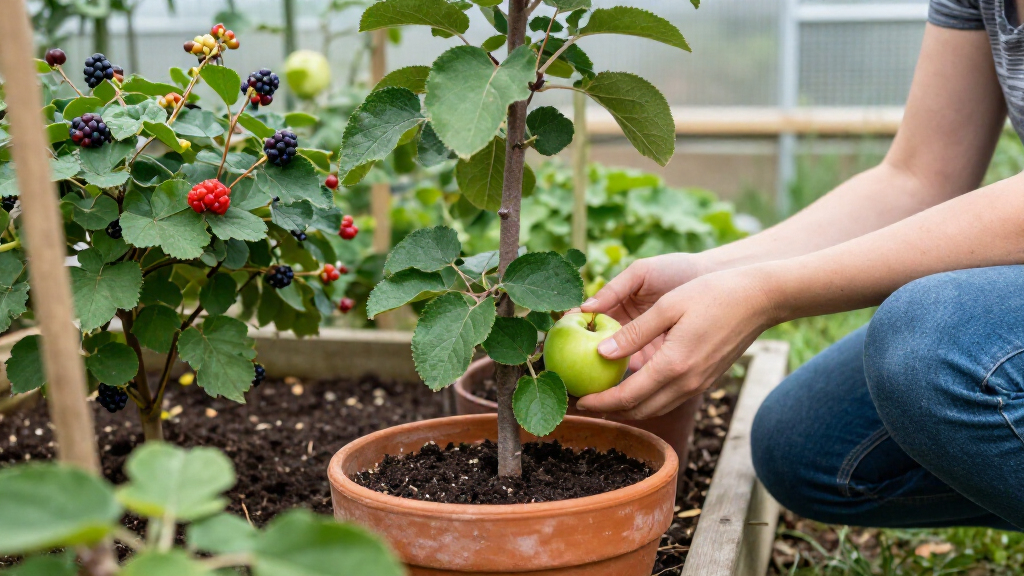
For apples, the guide advises full sun and fertile, well-drained soil. Some varieties need a compatible tree nearby for cross-pollination. Bare-root apple trees can generally be planted during dormancy, often between November and March depending on the USDA hardiness zone, but not when the ground is frozen. The report also recommends staking newly planted trees to limit movement while roots establish.
The article says pears can suit different spaces depending on rootstock and training, including dwarf trees for smaller spaces. It recommends planting in full sun and free-draining soil, with a planting hole wider than the roots. For plums, it advises choosing a variety suited to fresh eating, cooking or both, and protecting early blossom from harsh winds and late frosts. It says cherry hardiness varies by variety; sweet cherries are advised to go in a sunny, sheltered position with fertile, well-drained soil. The supplied text begins a raspberry section but provides no planting details for it.
Planning a Winter Fruit Garden
For readers planning a home orchard, the report’s main practical point is that November may suit bare-root planting where the soil remains workable. Dormant-season planting can give roots time to settle before spring growth and may cost less than buying container-grown plants, according to the source. That makes the timing relevant to gardeners weighing both budget and planting conditions.
Success still depends on local factors. Hardiness zone, soil drainage, sunlight and pollination needs affect which tree is suitable and where it should go. The guide itself warns against planting into frozen ground and notes that some fruit trees need a compatible pollinator. Readers should check variety-specific requirements before buying, rather than treating November as a universal planting window.
Products Worth Considering

Greenworks 60V 25-Inch Self-Propelled Lawn Mower with Two 4.0Ah Batteries

Traeger Pro 22 Wood Pellet Grill and Smoker, 572 sq. in.

Solo Stove Pi Prime Propane Pizza Oven
As an affiliate, we earn on qualifying purchases.
Bare-Root Planting During Dormancy
The report frames November as part of the dormant season, when bare-root trees are sold without the soil and container used for potted plants. It says roots can continue to grow more slowly through winter when the ground is not frozen, giving the plant time to establish before spring. Container-grown specimens, by contrast, can be planted across a longer portion of the growing season.
The recommendations are presented as seasonal gardening guidance from Homes & Gardens, based partly on the writer’s experience managing gardens. They are not a report of a new horticultural trial or an official planting standard. The source also mentions a range of apple forms, including standard, cordon and espalier trees, and says pear rootstocks influence final size.
“Bare-root trees and bushes tend to be cheaper.”
— Homes & Gardens report
Three Listed Plants Not Supplied
The provided source text is incomplete: it ends after introducing raspberries, without the remaining advice or the identities of the other selections. Although the headline promises seven trees and bushes, only four are described in the supplied material. The missing three cannot be identified from this text and are not filled in here.
The source also does not specify the article’s publication date, a particular reader’s location, or the weather and soil conditions that would determine whether November planting is suitable locally. Its timing guidance varies by USDA zone and cautions that frozen soil can make planting inappropriate. No harvest estimates or guarantees are provided.
Check Local Planting Conditions
Gardeners considering a purchase should first check local hardiness guidance, whether the ground is workable and whether the chosen variety needs a pollinator. The report’s general advice is to plant bare-root trees while dormant, avoid frozen ground, and give newly planted trees suitable support and watering as needed.
The remaining selections and their planting instructions would need to be checked against the complete Homes & Gardens article or other reliable horticultural guidance. Until that information is available, the supplied source supports recommendations for four fruit types, not a confirmed list of all seven.
Key Questions
Which fruit trees does the supplied report recommend for November?
The available text gives advice on apples, pears, plums and cherries. It starts a raspberry section but cuts off before providing its guidance or the last three selections named in the headline.
Why does the report suggest bare-root plants?
Homes & Gardens says bare-root trees and bushes can be less expensive and have time to develop roots before spring growth, provided conditions allow planting.
Can fruit trees be planted when the ground is frozen?
No. The report specifically advises against planting into frozen soil. It says timing depends on location and that colder areas may need to wait until the ground is workable.
What should gardeners check before planting?
Check the variety’s hardiness, sunlight and soil needs, and whether it requires a compatible pollinator. The report recommends well-drained soil for the named trees and notes that some cherry varieties are more cold-hardy than others.
Source: homesandgardens.com