
TL;DR

Get garden gear delivered free with Prime
- Fast, free delivery on millions of items
- Prime Video, Amazon Music and more included
- Member-only deals all year
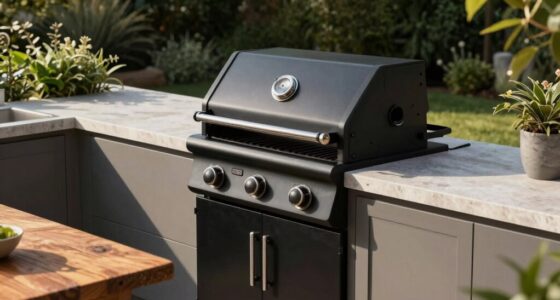
Outdoor kitchen grills range from portable carts to built-in appliances, and the right choice depends on your cooking style, available space, fuel, and installation needs. Compare usable cooking area, heat control, durability, service access, and total setup costs before you buy; built-in models must be approved for that installation and fitted to the maker’s instructions and local codes.
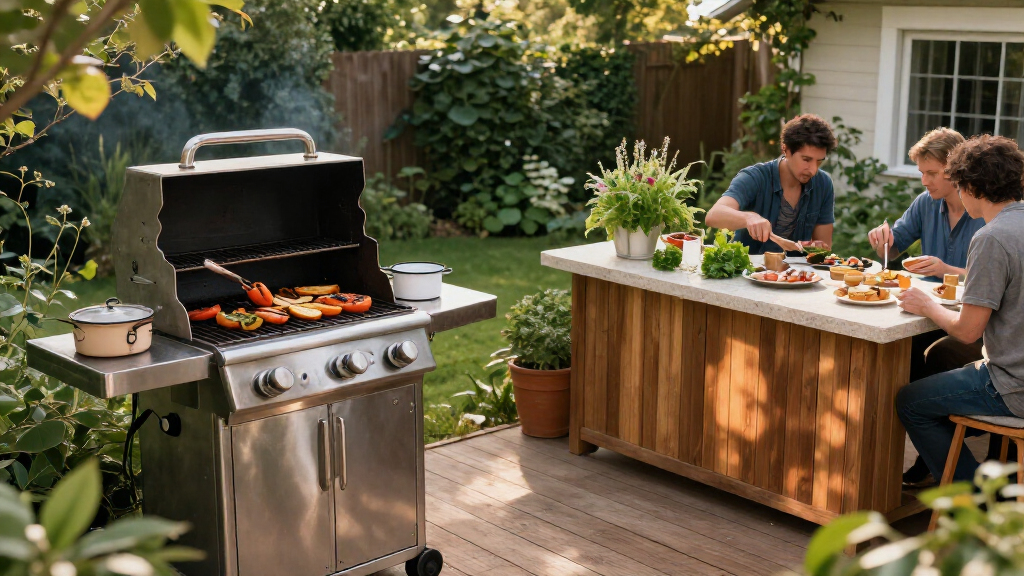
A gleaming grill island can look ready for a summer feast, but the first test comes when you need to cook burgers on one side and keep vegetables warm on the other. Outdoor kitchen grills vary in fuel, usable cooking space, heat control, and installation needs, so a beautiful finish alone won’t tell you whether one fits your routine.
This guide helps you match a grill to how you cook, the space you have, and the fuel you can use. You’ll also learn what to check before building around a grill, how weather changes the upkeep, and why the full setup can cost more than the appliance.
For example, a household that grills quick weeknight dinners may value the easy start of gas, while someone who loves slow, smoky ribs may prefer a pellet cooker or charcoal. The useful question is simple: what do you want to cook, and what work are you willing to do?
Match fuel to your routine: gas starts quickly, charcoal brings smoke, and pellet grills suit controlled longer cooks but need electricity.
Use a grill approved for built-in installation before designing an island around it; follow its clearances, ventilation, and connection instructions.
Choose cooking area for typical meals and heat zones, not burner count alone.
Compare construction, care guidance, warranty, and replacement parts rather than relying on a stainless-steel label.
Include utilities, counters, access for service, fuel, and upkeep in the budget, alongside the grill itself.
Choose a fuel that fits the way you cook
Outdoor kitchen grills use different fuels to trade speed, flavor, heat control, and setup demands. Those differences shape the whole cooking routine: how soon you can start, how closely you need to tend the fire, and what connections or storage the space needs. Gas suits quick meals, charcoal gives you hands-on fire and pronounced smoke, pellets manage long cooks with powered controls, and kamado cookers hold heat for grilling, roasting, and smoking. Your best match depends on the meals you actually make and the fuel available where you live.
| Fuel or style | Works well for | What to plan for |
|---|---|---|
| Propane or natural gas | Quick starts and adjustable heat | Tanks or a compatible gas line |
| Charcoal | Smoky flavor and high heat | Lighting time, ash, and cleanup |
| Pellets | Smoking and longer cooks | Electricity and dry pellet storage |
| Kamado | Grilling, roasting, and smoking | Heavy construction and careful handling |
| Hybrid | More than one cooking style | Added cost and more parts to manage |
Suppose you often get home late and want dinner on the table fast: a gas model’s easy start may matter more than charcoal’s smoky character. That convenience can make a grill easier to use on ordinary evenings, though it does not provide the same fire tending or smoke flavor some cooks enjoy. If Saturday means ribs that cook for hours, a pellet grill can hold a steady temperature, though its feed system and controls need electricity. This means it depends on power as well as fuel, and pellets need dry storage to feed reliably. Natural gas avoids tank changes when you have a suitable line; propane gives you placement flexibility but needs refilling or exchange.
Think of fuel choice as choosing the rhythm of cooking. Charcoal asks you to tend the fire and allow time for lighting and cleanup; in return, you get direct control over a live fire and smoke. Gas lets you turn a control and move on, which can save effort when speed matters. Some hybrid grills add options, but those extra parts can raise the purchase price and maintenance demands, and may go unused if you settle into one cooking style. Ask which cooking style you’ll use most often, then check the manufacturer’s fuel requirements before planning a permanent installation. The fuel that looks most versatile on paper is useful only if its routine suits your actual meals.
Products Worth Considering

Traeger Pro 22 Wood Pellet Grill and Smoker, 572 sq. in.

Weber Searwood XL 600 Wood Pellet Smoker Grill, 36 inches, Black

Solo Stove Pi Prime Propane Pizza Oven
As an affiliate, we earn on qualifying purchases.
Pick built-in or freestanding before planning counters
Built-in grills create a joined-up outdoor cooking station, while freestanding grills are easier to move and replace. The difference affects more than appearance: an enclosure changes how heat and air move around the appliance, so a built-in grill needs a heat-safe enclosure, ventilation, specified clearances, utility connections, and access for maintenance. A grill designed for a cart should not be treated as suitable for an island unless its manufacturer approves it for built-in use. Otherwise the surrounding structure may trap heat or block access in ways the appliance was not designed to handle.
Picture a homeowner who buys a cart grill on sale, then asks a contractor to drop it into a stone counter. The opening may look right, but the appliance’s heat path or required clearances may not match an enclosed installation. Even a close fit does not establish that the setup is safe or serviceable. Checking the grill’s built-in instructions before ordering stone or cabinets can prevent costly changes later, including having to alter the enclosure or choose a different appliance.
- Choose the grill model first. Read its installation guide and confirm it is approved for the intended setup. The guide’s dimensions and requirements determine what can safely be built around it.
- Map the utilities. Confirm the fuel connection and any electrical needs; pellet grills, for instance, need power for their controls and feed system. Utility access can limit where the grill goes, so resolve this before fixing the counter layout.
- Plan the enclosure and clearances. Follow the manufacturer’s dimensions, ventilation instructions, and local requirements. These affect both safe operation and how much counter or storage space remains.
- Leave access for service. Arrange access panels and surrounding work areas so someone can reach connections and components. A built-in grill that cannot be reached may turn a routine repair into work on the entire island.
A qualified professional is often the right choice for gas or electrical work. Keep the grill away from enclosed spaces and combustible materials, and use only an appliance approved for its fuel and installation. Freestanding models offer flexibility if you rent, rearrange the patio, or want to replace the grill without rebuilding counters; that flexibility can also make it simpler to move the grill for storage or service. Built-ins reward careful planning with an integrated cooking area, but the enclosure and utility work belong in your overall budget. Choose the integrated look when you are ready to commit to the appliance location and its installation needs.
Size the cooking surface for the meals you serve
Cooking area matters more than burner count when you’re choosing a grill. Consider how much food you cook at once, whether you need room for indirect heat, and how the grill fits into your counter layout. A large output number or extra burner does not, by itself, show whether heat spreads evenly or holds steady across the grate. Usable space is the area where food can cook as intended, not just the total grate measurement.
For instance, if you usually grill dinner for four, then host a dozen friends once each summer, it may make sense to size for normal meals and use another cooking surface for the occasional crowd. A grill sized for rare gatherings takes up space every day and can cost more to buy and fuel. If you cook chicken over lower heat while searing vegetables, you’ll want enough room to create distinct zones rather than simply squeezing every item over a flame. That separation helps avoid overcooking one food while waiting for another. A built-in grill also needs room around it for safe operation and food handling.
Heat distribution and control shape the result on the plate. Imagine one side browning quickly while the other leaves sausages pale; a high headline output has not solved the problem. Uneven heat can force you to shuffle food constantly or accept inconsistent results. Look for information about cooking design and temperature control, and, if possible, consider how the model handles both direct and indirect cooking. The layout of grates and burners can affect how useful the cooking space feels: a broad grate is less helpful if much of it sits over heat that is difficult to control.
Before you settle on a size, mark out the grill’s planned footprint and the nearby work area. A tight island can make a busy meal feel like a juggling act: raw ingredients, hot trays, and finished food all need somewhere to go. A larger grill can solve a crowding problem at the grate while creating one around the cook if it leaves too little counter space. Choose for your usual meal first, then make sure the design can handle your typical guest list without crowding the cook.
Judge materials by construction and local weather
Stainless steel is not a complete durability guarantee. Its grade, thickness, construction, finish, and care all affect how a grill stands up to weather. The label alone cannot tell you how long a particular grill will keep its appearance or how easily worn parts can be replaced. Covers can shield it from rain, sun, and debris, but they don’t stop every scratch, buildup, or sign of wear, and they don’t replace regular cleaning.
A home near the coast faces a different challenge from a dry inland patio: salty air and humidity can make corrosion resistance and routine care especially relevant. For example, a grill that looks polished on delivery still needs its grate and grease-management parts cleaned as directed. Salt and moisture can make neglected surfaces harder to maintain, so the care schedule has practical consequences for how the grill looks and operates over time. A snug cover may keep fallen leaves off the lid, but moisture and use still need attention.
When comparing models, look beyond the material label. Check the maker’s care guidance, warranty terms, parts availability, and whether common wear components can be replaced. Repairability matters for a permanent installation because replacing one burner or igniter may be far simpler than removing an entire built-in appliance. A lower initial price may be less attractive if the parts are difficult to source or the warranty does not cover the components most likely to wear.
- Check the stated material and construction details, not just the word “stainless.”
- Read how the manufacturer recommends cleaning, covering, and storing the grill.
- Ask whether replacement grates, burners, and igniters are available for your model.
- Consider sun, rain, salt air, and humidity where the grill will live.
For a freestanding grill, moving it to a sheltered spot may be practical. A built-in unit stays put, so weather exposure and access for upkeep deserve attention before installation. The more exposed the location, the more useful it is to have a realistic care routine and replaceable parts. A cover reduces exposure; care protects performance.
Budget for installation, fuel, and everyday care
The grill’s sticker price is only one part of the outdoor kitchen budget. Fuel connections, electrical supply, counters, storage, accessories, repairs, and routine upkeep can add to the cost. Prices vary widely by size, fuel, materials, and built-in or freestanding design, so there is no single figure that works for every project. The distinction matters because the least expensive appliance may not be the least expensive setup once you include the work needed to install and use it.
Consider a homeowner planning a built-in gas grill beside a prep counter. The appliance is only the beginning: the project may also need the correct enclosure, a suitable gas connection, access panels, and room for safe food handling. A less expensive cart grill may come ready to use, but it could be the wrong choice if the goal is a permanent island. Choosing an appliance before costing those surrounding requirements helps reveal whether the integrated layout fits the budget or whether a freestanding setup is more practical.
Regular care commonly includes cleaning the cooking grates and grease-management components, protecting the grill when it is idle, and checking for damage or leaks according to the manufacturer’s directions. Parts such as grates, burners, covers, and igniters can eventually need replacement. Available parts and warranty support can matter as much as the initial price, especially for an appliance fixed into a counter. For a built-in grill, a repair may involve both the appliance and the surrounding installation, so access and parts availability can reduce disruption as well as expense.
Plan the surrounding work area, too. A useful outdoor kitchen may need counter space, storage, lighting, and clear room to move food and supplies outside. Wind exposure and access to water or electricity can affect the layout. Smart features like app-based temperature monitoring can help with a long cook, but check which controls still work on the grill if Wi-Fi or the app is unavailable; a useful feature should not leave you unable to manage the appliance when the connection drops. Pay for the features you’ll use, not just the ones that look impressive in a showroom.
Use the grill safely and keep its upkeep manageable
Safe outdoor grilling starts with the model’s instructions and local requirements. Gas connections, electrical supply, ventilation, and clearances depend on the appliance and its installation. Built-in gas models may need a particular enclosure and access panels, so follow the maker’s guide and use a qualified professional when gas or electrical work calls for one. These requirements affect where the appliance can go, so they need to shape the layout before counters or utilities are fixed in place.
Think about the path from kitchen to grill as well as the grill’s position. If you carry a tray of raw chicken past a crowded seating area, cooking becomes awkward; if the finished food has nowhere to land, you may reach across hot surfaces. Plan lighting and a clear work area so you can see what you’re doing after sunset. Keeping space between the grill, traffic, and combustible materials makes it easier to work without moving hot food or equipment through a crowded area. Keep the appliance away from enclosed spaces and combustible materials.
Routine cleaning supports reliable cooking and gives you a chance to spot problems. Clean the grates and grease components as the manual directs, and check for damage or leaks when the manufacturer recommends it. For example, after a busy weekend cookout, clearing grease before it builds up makes the next meal easier to manage and keeps buildup from becoming a bigger cleanup job. A cover can help keep debris off, but the grill still needs care.
Use only a grill approved for its intended fuel and installation, and follow its clearance, ventilation, and maintenance instructions.
Plan for the climate and your cooking habits. A grill used often in a humid or coastal area may need more regular attention than one used occasionally in a sheltered spot. That extra care can protect performance and help catch wear while a small repair is still manageable. Build maintenance into the routine instead of waiting until a sticky grate, worn part, or connection problem interrupts dinner.
Frequently Asked Questions
Which fuel is best for an outdoor kitchen grill?
Gas works well for quick starts and easy heat control; charcoal offers smoky flavor, pellets suit longer controlled cooks, and kamado grills can handle grilling, roasting, and smoking. Choose based on the meals you make, fuel access, and how much tending or cleanup you want.
Can any grill go into an outdoor kitchen island?
No. Choose a grill approved for built-in installation and follow its enclosure, clearance, ventilation, and utility instructions. A freestanding cart grill is not automatically safe to install in an island.
Is natural gas better than propane?
Natural gas avoids tank changes when you have a suitable gas line and a compatible grill. Propane is easier to place without a fixed line, but you need to refill or exchange tanks.
How large a grill do I need?
Size the cooking area for the meals you make most and leave room for different heat zones if you cook foods at different temperatures. Consider your usual guest count, occasional gatherings, and safe work space around the grill.
Are stainless-steel grills worth the cost?
Stainless steel can be durable, but grade, thickness, construction, and care matter. Compare the maker’s guidance, warranty, and replacement-part availability instead of judging by the material label alone.
Can I leave an outdoor kitchen grill outside all year?
Many grills are designed for outdoor use, but weather exposure can wear components over time. Follow the manufacturer’s covering and storage advice, and keep up with cleaning and care, especially in coastal or humid conditions.
Conclusion
Choose the grill around the meals you cook most, then confirm its fuel, cooking area, and installation requirements before planning counters or utilities. A built-in grill must be made for that use, and every setup needs room for safe cooking and regular care.
Get those choices right, and the grill becomes the warm, smoky center of an outdoor kitchen you’ll enjoy using—not a shiny appliance you have to work around.