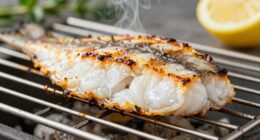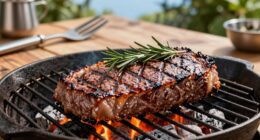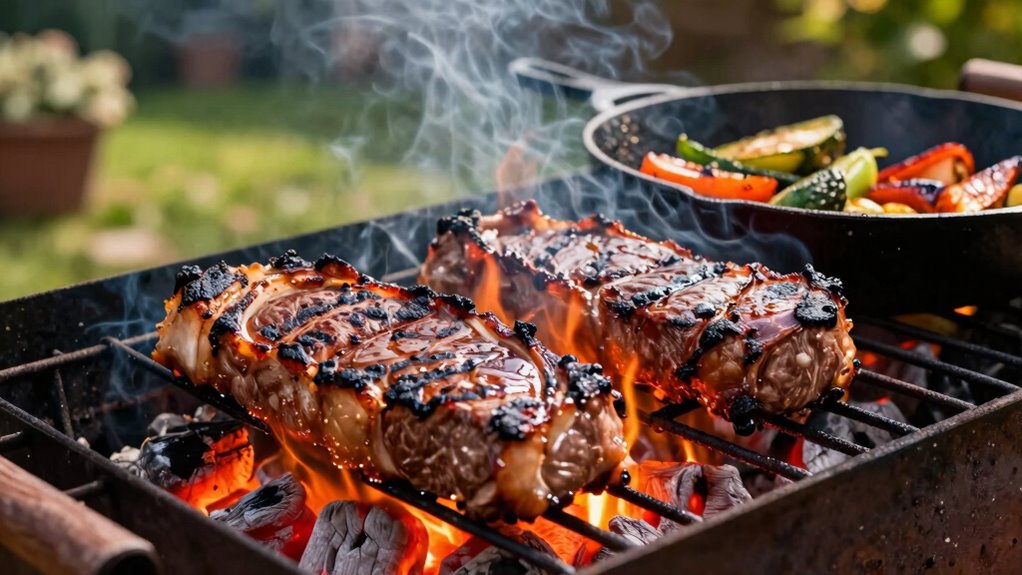
Direct heat is perfect for creating a flavorful crust on steaks, locking in juices and developing rich, smoky flavors. It’s also ideal for grilling vegetables, giving them grill marks, a crisp texture, and enhancing natural sweetness. With proper fire management, you can control the temperature for even cooking without burning your food. Mastering direct heat helps you produce bold, mouthwatering results every time, and if you keep going, you’ll discover even more tips to elevate your outdoor cooking skills.
Key Takeaways
- Achieving a perfect sear and flavorful crust on steaks and meats.
- Imparting smoky flavor and grill marks on vegetables and other foods.
- Quickly charring and caramelizing outer layers for enhanced natural flavors.
- Creating crispy textures through rapid cooking and blistering.
- Providing high heat for efficient, direct cooking in a two-zone grilling setup.
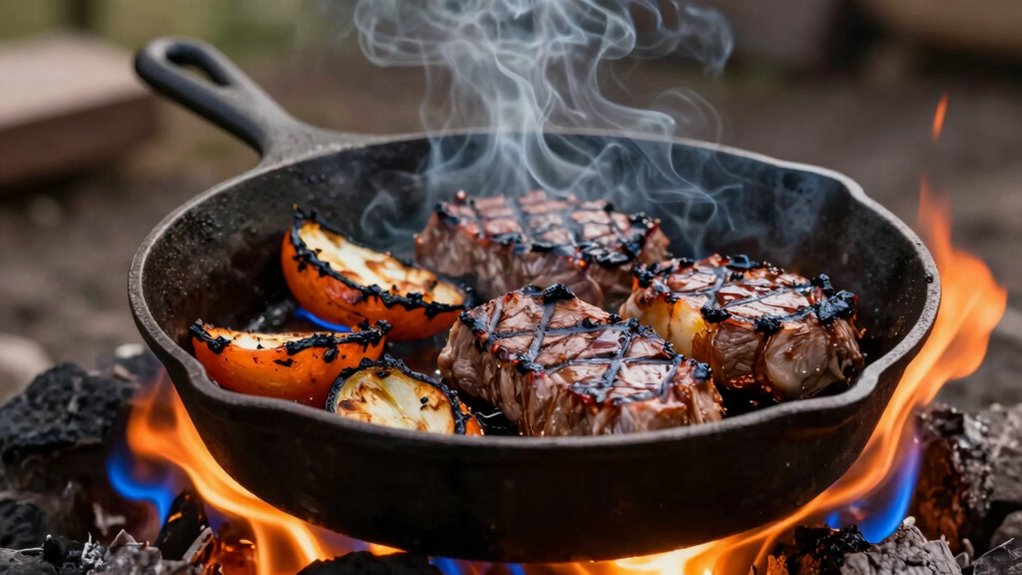
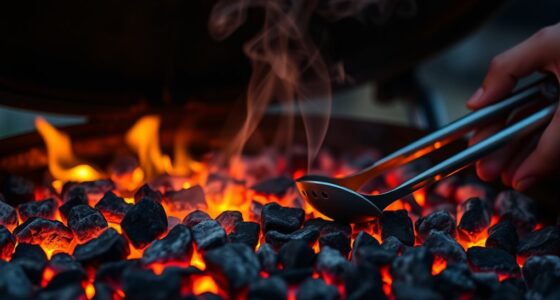
When it comes to outdoor cooking, understanding the role of direct heat can make a big difference in how your food turns out. Direct heat is fundamentally placing your food directly over the flames or hot coals, creating a high-temperature environment that’s perfect for certain techniques. If you want to achieve that perfect sear on your steaks or bring out vibrant flavors in your vegetables, direct heat is your best friend. It allows you to quickly lock in juices and develop a flavorful crust, which is crucial for searing steaks. When you place a steak directly over the heat, it cooks rapidly on the outside, forming a caramelized crust while keeping the inside tender and juicy. This method not only enhances flavor but also creates that appealing, smoky aroma that outdoor cooking is known for.
Direct heat sears steaks quickly, locking in juices and adding smoky flavor.
Grilling vegetables is another area where direct heat truly shines. Vegetables like peppers, zucchini, or corn benefit from being cooked over direct flames because it imparts a smoky flavor and creates appealing grill marks. The high heat chars the outer layer quickly, giving your vegetables a slightly crisp texture while preserving their natural sweetness and moisture. You’ll want to keep a close eye on them because they can go from perfectly grilled to burnt quite fast. Tossing vegetables in a bit of oil before placing them on the grill ensures they won’t stick and helps develop those desirable grill lines. The high temperature also helps you achieve that slight blistering and caramelization, which enhances their natural flavors. Additionally, understanding the importance of fire management can help you better control the cooking process and avoid flare-ups that could burn your food. Proper fire management can prevent flare-ups and ensure even cooking, making your grilling experience more successful. A well-managed fire also contributes to consistent heat, which is essential for even cooking and avoiding hot spots that can ruin your meal. Knowing how to adjust your airflow and fuel can also help you control temperature more precisely, leading to better results. However, direct heat isn’t suited for everything. For more delicate foods or items that need a gentle cook, indirect heat is better. But for searing steaks and grilling vegetables, direct heat is unmatched. It’s quick, efficient, and produces the flavor profiles that make outdoor meals memorable. Just remember to manage your flames carefully, and don’t forget to turn your food regularly to prevent burning. Using a two-zone setup—hot side for direct heat and cooler side for finishing—gives you more control over the cooking process. This way, you can achieve that perfect sear or char without overcooking the interior.
In the end, mastering the use of direct heat allows you to elevate your outdoor cooking game. Whether you’re creating a mouthwatering steak with a perfect crust or adding smoky char to your vegetables, understanding how to utilize direct heat ensures your outdoor meals are full of flavor, texture, and that irresistible grilled aroma.

Lodge Square Cast Iron Grill Pan – Pre-Seasoned Square Skillet – Ridged Burger Grill Pan – Even Heat Distribution – PFAS-Free Non-Toxic Cookware – 10.5 Inches
Steakhouse Sear At Home: The Lodge Square Cast Iron Grill Pan delivers high-heat searing and bold grill marks…
As an affiliate, we earn on qualifying purchases.
As an affiliate, we earn on qualifying purchases.
Frequently Asked Questions
Can Direct Heat Be Used for Baking in Outdoor Cooking?
Yes, you can use direct heat for baking in outdoor cooking. It’s perfect for making outdoor pizza or grilled bread with a crispy crust. You’ll want to preheat your grill or fire to high, then place your food directly over the flames or hot coals. Keep an eye on your items, turning as needed, to prevent burning. This method gives your baked goods that authentic outdoor flavor and texture.
How Do I Control Temperature With Direct Heat?
You can control temperature with direct heat by adjusting the heat intensity and your position relative to the flame. Keep a close eye on your food, moving it away from high flames when needed. Use a lid or foil to shield items from intense heat, and regulate the coals or burners to maintain consistent temperature. Mastering this balance creates perfect results—just stay attentive and adapt quickly.
Is Direct Heat Suitable for Cooking Delicate Foods?
Direct heat isn’t ideal for delicate foods, as it can cause burning or uneven cooking. For gentle simmering or delicate roasting, you want to use indirect heat instead. With direct heat, you risk scorching fragile items like fish or pastries. If you do use direct heat, keep the food moving and cook at lower temperatures to prevent damage. For best results, reserve direct heat for sturdier foods that can handle high temperatures.
What Safety Precautions Are Needed for Using Direct Heat?
Think of managing your grill like controlling a fiery dragon—safety is key. Always keep a fire extinguisher nearby and know how to use it. Practice heat zone management to avoid flare-ups, keeping hot spots in check. Wear heat-resistant gloves, stay attentive, and never leave the grill unattended. These precautions guarantee you enjoy your outdoor cooking adventure without risking accidents, turning flames into a controlled, delicious symphony.
How Long Should I Use Direct Heat for Different Foods?
You should use direct heat for different foods based on their grilling techniques and heat management needs. For quick-cooking items like burgers or steaks, keep the food on the grill for 4-6 minutes per side, adjusting for thickness. For thinner cuts or vegetables, 2-4 minutes per side usually suffices. Always monitor the heat carefully to prevent burning, and turn foods as needed to guarantee even cooking.

GasOne Charcoal Grill CGS-24A – 24-inch BBQ Charcoal Grill – Outdoor Charcoal Smoker with Multiple Tier Heat Control – for Camping, Picnic, Patio, Backyard Barbecue, Outdoor Cooking
A Must for BBQ Enthusiasts: CGS-24A BBQ Grill featuring a durable construction, a large cooking area and a…
As an affiliate, we earn on qualifying purchases.
As an affiliate, we earn on qualifying purchases.
Conclusion
So, next time you’re firing up your grill, remember that direct heat is your secret weapon for quick sears and perfect grill marks. It’s like a fiery handshake that locks in flavors and creates that mouthwatering crust. Use it wisely, and you’ll turn simple ingredients into culinary fireworks. Embrace its power, and watch your outdoor cooking soar—because with direct heat, you’re the captain steering your tasty ship through a sea of smoky goodness.
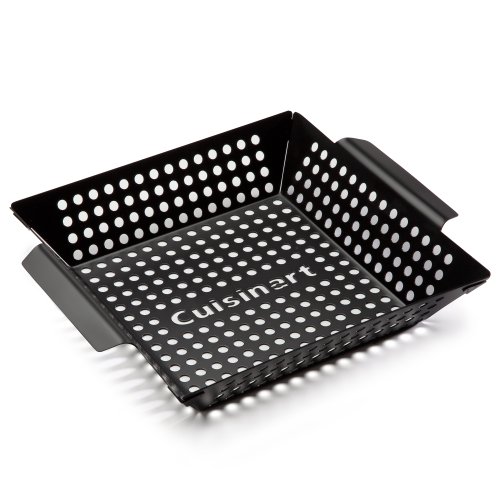
Cuisinart 11" x 11" Non-Stick Grill Wok, Perforated BBQ Grill Basket for Grilling Veggies, Meat & Stir-Fry, Outdoor Grilling Basket for Charcoal and Gas Grills
AVOID THE GRATE ESCAPE: Perforated design keeps the open-flame flavors while preventing small ingredients from falling through grill…
As an affiliate, we earn on qualifying purchases.
As an affiliate, we earn on qualifying purchases.
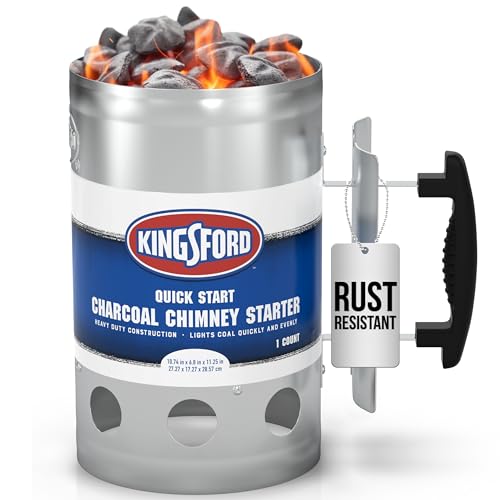
KINGSFORD Heavy Duty Deluxe Charcoal Chimney Starter, Large Capacity Zinc Steel BBQ Fire Starter with Heat Shield and Stay-Cool Handle, Vented Base Air Vents for Fast Even Lighting
FAST CHARCOAL STARTER: Helps get briquettes lit quickly and more evenly by pulling steady airflow through the chimney,…
As an affiliate, we earn on qualifying purchases.
As an affiliate, we earn on qualifying purchases.