
When selecting firewood for live-fire cooking, opt for hardwoods like oak, hickory, or maple, as they burn longer and produce better flavor. Avoid green or wet wood, which hinders fire-starting and creates excess smoke, dulling flavors. Properly dried wood with less than 20% moisture ignites easily, burns cleaner, and offers consistent heat. Ensuring your wood is well-seasoned is key—continue exploring techniques to perfect your firewood selection and drying process.
Key Takeaways
- Opt for hardwoods like oak, hickory, or maple, which burn longer and produce richer flavors for live-fire cooking.
- Ensure firewood is properly seasoned with moisture content below 20% for cleaner, more efficient burning.
- Select dry, seasoned wood that produces a hollow sound when knocked and feels dry to the touch.
- Store firewood off the ground in a well-ventilated area, covered but with airflow to maintain proper seasoning.
- Avoid green or freshly cut wood, as it contains high moisture that hampers fire-starting and creates excess smoke.
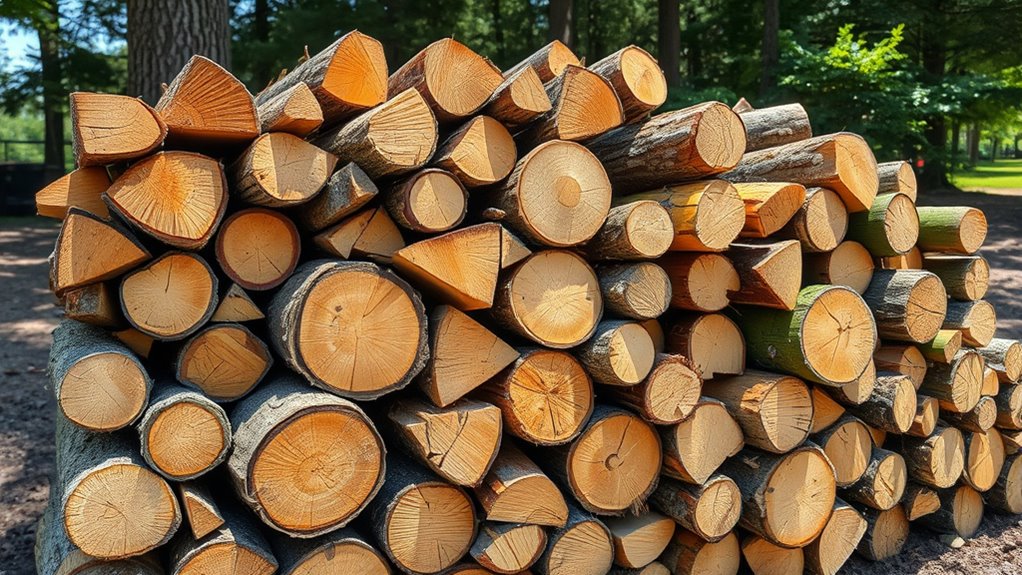
Choosing the right firewood is vital for successful live-fire cooking because it directly impacts flavor, heat, and ease of use. One of the most important factors to take into account is wood moisture content, which determines how well the wood burns and how much smoke it produces. If your firewood is too wet, it will be difficult to get a hot, steady fire, and it can create excess smoke that dulls flavors and fouls your cooking surface. To avoid these issues, you need to make certain your wood has been properly seasoned—meaning it has been dried to reduce its moisture content to a suitable level. Seasoning techniques involve storing your wood in a dry, well-ventilated area for several months, allowing natural evaporation of moisture. Properly seasoned wood typically has a moisture content below 20%, which burns cleaner and produces more consistent heat.
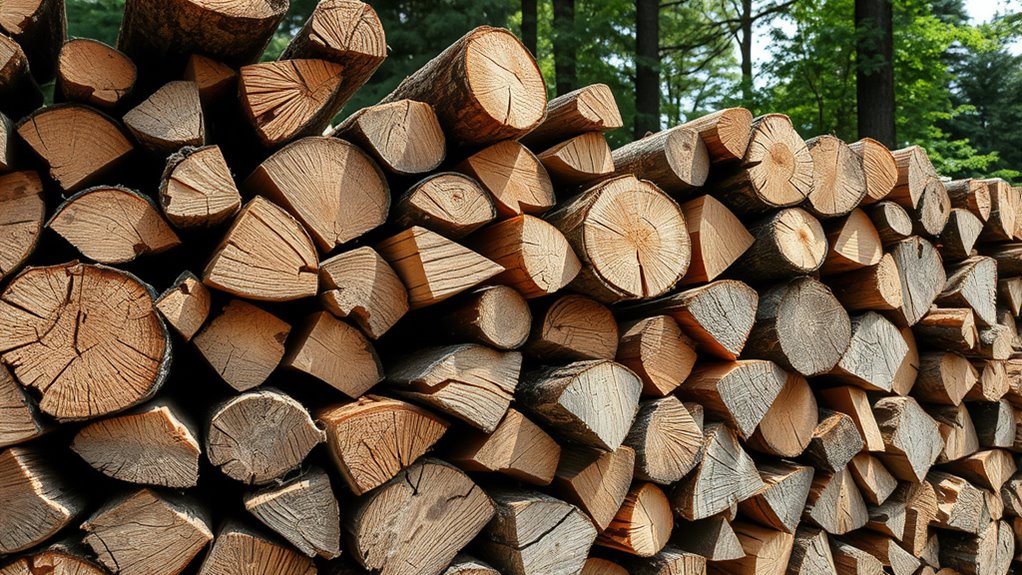
When selecting firewood, you should look for wood that feels dry to the touch and makes a hollow sound when knocked together, indicating it’s been adequately seasoned. Freshly cut or “green” wood may be cheaper but isn’t suitable for live-fire cooking because it contains high moisture levels that lead to inefficient burning and excess smoke. Using seasoned wood not only simplifies your fire-starting process but also enhances the flavor of your food, as the cleaner burn produces more aromatic smoke that imparts subtle, desirable flavors. Additionally, high-quality projectors with good color accuracy can help you better evaluate the visual appearance of your cooked dishes. Seasoning techniques vary depending on your environment, but the core principle remains the same: allow the wood to dry out naturally over time. If you’re in a hurry, you can use a kiln or a solar kiln to speed up the process, but natural seasoning remains the most reliable method. Properly seasoned wood should be stored off the ground, covered but with good airflow, to prevent reabsorption of moisture. It’s also wise to split larger logs into smaller pieces, which dry faster and make handling easier during cooking.
Top picks for "firewood selection live"
Open Amazon search results for this keyword.
As an affiliate, we earn on qualifying purchases.
Frequently Asked Questions
How Do Different Wood Types Affect Cooking Flavor?
Different wood types notably influence your cooking flavor by adding unique wood flavor profiles and aroma enhancement. Hardwoods like oak, hickory, and maple produce rich, smoky notes that deepen your dishes, while fruitwoods like apple and cherry offer sweeter, fruity aromas. Softwoods, such as pine, can introduce harsh flavors, so avoid them. Choosing the right wood enhances your food’s taste and creates an inviting aroma that elevates your live-fire cooking experience.
What Are the Best Drying Techniques for Firewood?
Did you know properly dried firewood burns up to 50% more efficiently? To achieve this, you should focus on reducing moisture content through effective drying methods. Stack your wood off the ground in a well-ventilated, sunny spot, allowing air to circulate freely. Cover the top to protect from rain, but leave sides open. This ensures your firewood dries thoroughly, making your live-fire cooking cleaner, hotter, and more enjoyable.
How Long Should Firewood Be Seasoned Before Use?
You should season your firewood for at least 6 to 12 months before use, depending on the wood type and drying conditions. During this seasoning duration, aim for a wood moisture content below 20%, which guarantees efficient burning and minimal smoke. Properly seasoned wood ignites easily, burns longer, and produces better flavor for live-fire cooking. Regularly check moisture content with a meter to confirm your firewood is ready.
Can I Use Treated or Painted Wood for Cooking?
Using treated or painted wood for cooking is a terrible idea—you risk turning your meal into a chemical disaster! The chemical treatments and paint fumes release toxic fumes when burned, which can contaminate your food and harm your health. Never use wood that’s been chemically treated or painted. Stick to natural, seasoned firewood to guarantee safe, delicious cooking and keep any dangerous chemicals far away from your grill.
What Safety Precautions Are Necessary When Selecting Firewood?
When selecting firewood, you should prioritize safety by handling it carefully and storing it properly. Always wear gloves during firewood handling to avoid splinters and dirt. Store firewood in a dry, ventilated area away from your cooking zone to prevent mold and pests. Check for treated or painted wood, which can release harmful fumes when burned. Proper firewood storage and handling guarantee safe, clean, and enjoyable live-fire cooking experiences.
Conclusion
In conclusion, choosing the right firewood and properly drying it is key for perfect live-fire cooking. Think of it as your secret recipe—stick to the best types, like hardwoods, and give them time to dry, just like a fine vintage. Remember, even in this digital age, nothing beats the old-world charm of crackling wood and smoky aromas. So, gather your logs, channel your inner pioneer, and enjoy the timeless art of fire-cooked flavors.