When choosing between gas and electric pizza ovens, consider your fuel costs and installation needs. Gas ovens are generally more energy-efficient and cheaper to run, especially if you already have a gas line, but they involve higher upfront costs and setup. Electric ovens are easier to install and maintain, with precise temperature control, though they can be more expensive to operate long-term. Explore these factors further to determine the best option for your kitchen.
Key Takeaways
- Gas ovens offer better energy efficiency and faster heat transfer, reducing operational costs in high-volume settings.
- Electric ovens are easier and cheaper to install, requiring only standard electrical outlets, ideal for small or existing kitchens.
- Natural gas typically costs less per unit than electricity, making gas ovens more economical for ongoing fuel expenses.
- Electric ovens provide precise temperature control, which can improve baking consistency and reduce energy waste.
- Long-term savings depend on balancing higher initial installation costs of gas ovens against lower fuel costs over time.
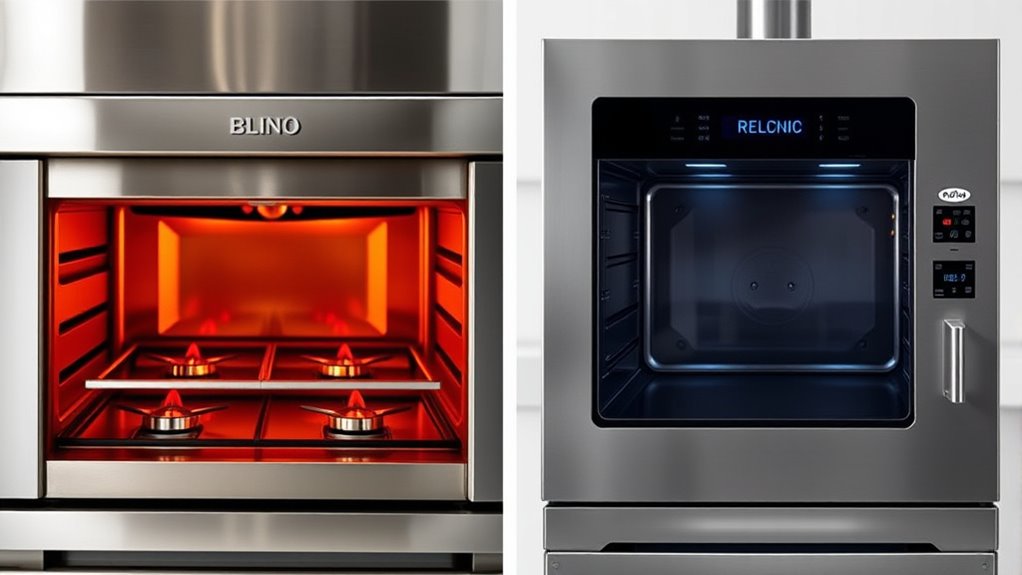
When choosing between gas and electric pizza ovens, understanding their differences can help you make the best decision for your needs. One of the most important factors to contemplate is fuel efficiency. Gas ovens tend to be more energy-efficient when it comes to heat transfer, especially for commercial use, because natural gas burns more completely and quickly, providing consistent heat with less waste. Electric ovens, on the other hand, often require more electricity to reach and maintain the same temperatures, which can lead to higher operational costs over time if you’re running the oven frequently. However, electric models can be more precise in temperature control, which might reduce overall energy consumption if you’re baking smaller batches or need more consistent results.
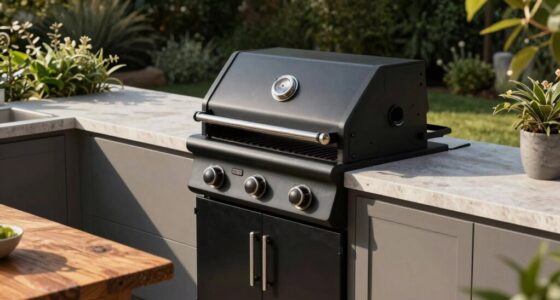
Gas ovens offer superior energy efficiency and consistent heat, ideal for high-volume commercial baking.
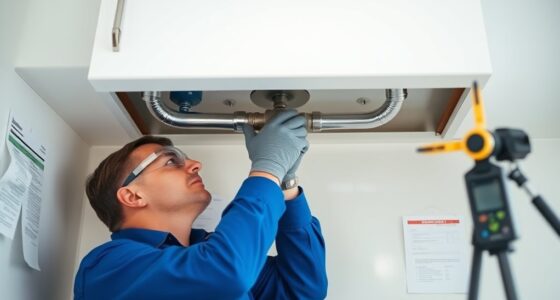
Installation costs are another critical aspect that influences your decision. Gas ovens usually involve higher installation costs because they require a gas line, proper ventilation, and adherence to safety codes. This setup can be complex, especially if your location isn’t already equipped for gas hookups. You might also need professional assistance for installation, adding to the initial expense. Electric ovens, in contrast, generally have lower installation costs because they just need a standard electrical outlet, making them easier to set up, especially in existing kitchens or small pizzerias. If you’re on a tight budget or need a quick setup, electric ovens can be more appealing due to their simpler installation process. Additionally, electric ovens often benefit from simpler maintenance requirements, which can save time and money over the lifespan of the appliance.
Beyond initial costs, consider ongoing expenses. Gas ovens often save you money in the long run through lower fuel costs because natural gas is typically cheaper than electricity per unit of energy. Yet, keep in mind that maintenance costs can vary—gas systems may require more frequent inspections for leaks or ventilation issues, while electric systems tend to have fewer moving parts and less routine maintenance.
Ultimately, your choice depends on your specific needs and setup. If you already have a gas line and want to optimize for fuel efficiency and lower operational costs, a gas oven might be the better fit. Conversely, if you’re looking for an easier, more affordable installation with lower upfront costs and don’t mind slightly higher energy bills, an electric oven could be more suitable. Weighing these fuel considerations carefully will ensure you select an oven that aligns with your budget, space, and baking demands.

VEVOR Propane Outdoor Pizza Oven, 12 Inch Gas Pizza Maker, Max 1000℉, Portable Outdoor Cooker with Thickened Pizza Stone, 3 Layers Pizza Oven for Outside Patio Camping & Backyard, Black
Exceptional Outdoor Pizza Fun: VEVOR Propane Pizza Oven provides consistent, controllable heat and clean burning for easy cleanup….
As an affiliate, we earn on qualifying purchases.
As an affiliate, we earn on qualifying purchases.
Frequently Asked Questions
Which Oven Type Has Lower Maintenance Costs Over Time?
You’ll find that electric pizza ovens generally have lower maintenance costs over time compared to gas models. They have fewer moving parts and simpler systems, which means fewer repairs and less downtime. This minimizes your long-term expenses, saving you money on servicing and replacement parts. Plus, electric ovens tend to be easier to clean and maintain, making them a more cost-effective choice for consistent performance and reduced long-term expenses.
Are There Safety Concerns Specific to Gas or Electric Ovens?
You should be aware that gas ovens pose safety concerns like potential gas leaks, which could lead to fires or explosions if not properly maintained. Electric ovens, on the other hand, carry risks of electrical shocks if wiring isn’t secure or if you handle them improperly. Always guarantee proper installation and regular inspections to minimize these hazards, and follow safety guidelines to keep your workspace safe.
How Does Energy Efficiency Compare Between Gas and Electric Pizza Ovens?
You might think gas ovens are more energy-efficient, but electric pizza ovens often lead to better energy savings and cost efficiency. Electric models convert energy more directly into heat, reducing waste and saving money in the long run. While gas ovens may heat quickly, electric options typically use less energy overall, making them a smarter choice if you’re aiming for lower utility bills and improved energy efficiency.
Can Gas and Electric Ovens Be Used Outdoors Safely?
Yes, you can use gas and electric pizza ovens outdoors, but you must prioritize outdoor safety and weather resistance. Make sure the oven is specifically designed for outdoor use, with proper ventilation and sturdy construction to withstand weather conditions. Keep it on a flat, stable surface, and protect it from rain, wind, or extreme temperatures. Regular maintenance and proper setup will help you enjoy outdoor pizza making safely.
What Are the Initial Installation Requirements for Each Type?
You’ll need to follow specific installation requirements for each oven type. For gas ovens, guarantee proper ventilation and connect to a gas supply, with secure piping and safety checks. Electric ovens require adequate electrical wiring, often a dedicated circuit, and proper grounding. Both need a stable, level surface and enough space around them for safety and ventilation. Always consult local codes and a professional installer to meet all safety standards.

Ninja Artisan Outdoor Pizza Oven, 12-inch, 3-minute Pizza, Neapolitan, Thin Crust, New York Chicago, Custom, 700F Max Temperature, Electric Heat, Bake, Broil, Proof, Warm, MO201
5-IN-1 FUNCTIONALITY: The ultimate outdoor sidekick for all your backyard entertainment; pizza, bake, broil, warm & proof.
As an affiliate, we earn on qualifying purchases.
As an affiliate, we earn on qualifying purchases.
Conclusion
Ultimately, choosing between gas and electric pizza ovens depends on your needs, your space, and your budget. Both offer advantages—gas provides quick heat and authentic flavor, while electric offers consistent performance and easier installation. Consider your priorities, weigh your options, and think about your future plans. Whether you prioritize speed, convenience, or cost, remember that your choice shapes your pizza-making experience. Make an informed decision, enjoy the process, and craft delicious pies that satisfy every craving.

VEVOR Commercial Pizza Oven Countertop, 14" Double Deck Layer, Stainless Steel Electric Pizza Oven with Stone and Handle, Multipurpose Indoor Pizza Maker for Restaurant Home Pretzels Baked
High Quality Electric Pizza Oven: Crafted with food-grade stainless steel, VEVOR electric pizza oven assures you a secure…
As an affiliate, we earn on qualifying purchases.
As an affiliate, we earn on qualifying purchases.

ECUMFFY Pizza Oven Indoor, 12 Inch Retro Pizza Maker, Rapid Heating 800˚F, 1200W Glazed Ceramic Stone Electric Pizza Cooker, Two-button Precise Temperature Control, Viewing Window for Precise Cooking
【800˚F Quick Heating Gourmet Pizza】Turn on the pizza oven in advance to preheat. Pizza maker can reach 800˚F….
As an affiliate, we earn on qualifying purchases.
As an affiliate, we earn on qualifying purchases.