TL;DR

Get garden gear delivered free with Prime
- Fast, free delivery on millions of items
- Prime Video, Amazon Music and more included
- Member-only deals all year
Gardening Know How published nine do-it-yourself design ideas for making a shady, north-facing garden feel brighter and more inviting. The recommendations include light-colored paving, shade-tolerant foliage and flowers, repeated planting, reflective features and lighting; the source does not report a tested makeover or measured results.
Gardening Know How has published a nine-tip guide to brightening shady, north-facing gardens, recommending changes to paving, planting and garden features that can make limited natural light go further. The advice is aimed at do-it-yourself gardeners, but it is a design guide rather than a report of a tested project or measured results.
The guide identifies limited direct sunlight as the central challenge for north-facing plots, especially where buildings or trees also block light. It says the issue can become more noticeable in winter, when the sun sits lower. Its first suggestion is to use pale paving and stone—including light-toned porcelain or limestone-look pavers, pebbles and river stones—to reflect available light and create a visually more open space.
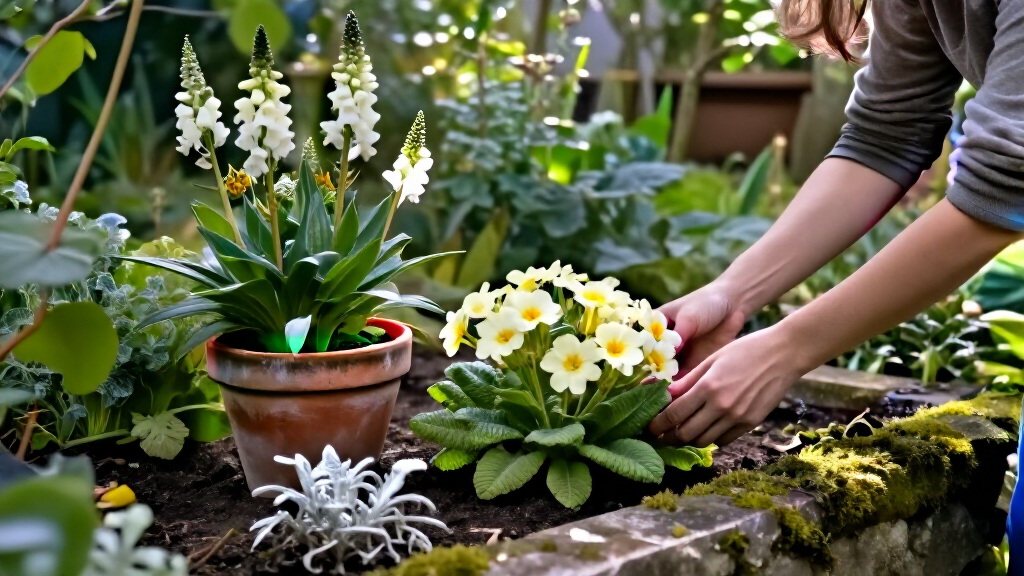
For planting, it recommends beginning with foliage suited to shade and adding flowering plants as another layer. The article names ferns, Fatsia japonica and hostas, including varieties with bright green, cream or variegated leaves. It also suggests white-flowering plants, citing hydrangeas as an option for partial shade. The guide advises repeating a small selection of plants in groups to create visual continuity, while choosing plants according to how much sun or shade different areas receive.
The remaining suggestions in the source include making use of reflective surfaces and lighter details to help brighten darker areas, and using garden design elements to draw the eye through the space. These are presented as practical ideas, not guaranteed fixes: actual results will depend on a garden’s light, soil, moisture, dimensions and existing trees or structures.
Design Choices for Low-Light Plots
North-facing gardens can be harder to plant and may feel dim, but the guide’s approach offers homeowners a way to work with those conditions rather than treating the aspect as a flaw. Light-reflecting materials can change how a space looks, while shade-tolerant plants reduce the risk of selecting varieties that need more sun than the plot receives.
The advice is also relevant to garden budgets and upkeep. Some ideas, such as grouping existing plants or choosing brighter foliage, may be possible without rebuilding a patio. Replacing paving is a larger undertaking, and the article’s suggestions do not establish that any particular material or planting plan will suit every garden. Readers will need to account for drainage, local climate and the amount of shade before acting.
solar garden lanterns for shady gardens
As an affiliate, we earn on qualifying purchases.
As an affiliate, we earn on qualifying purchases.
Working With a North-Facing Aspect
The report frames orientation and obstructions as the main factors affecting a shady garden. A north-facing aspect generally receives less direct sun than a south-facing one in the Northern Hemisphere, while nearby buildings and mature trees can further reduce the light available. The source notes that seasonal changes can affect conditions, but does not provide site-specific light measurements.
Its planting advice favors a layered, foliage-led design: establish plants that can tolerate shade, then add blooms and repeat selected varieties across the garden. The article names specific examples, including ferns, hostas, sedges and hydrangeas. Those examples are recommendations from the publication, not findings from a comparative growing trial.
light-colored paving stones for garden
As an affiliate, we earn on qualifying purchases.
As an affiliate, we earn on qualifying purchases.
What Gardeners Must Check
The supplied report does not give a publication date, identify a named landscape designer as the source of the advice, or provide expert quotations. It also does not include before-and-after measurements, trials or evidence that the nine suggestions produce a particular increase in brightness. The guide’s wording presents them as design approaches, not guaranteed outcomes.
Whether individual plants will thrive remains dependent on local growing conditions, including hardiness zone, soil, drainage, moisture and the degree of shade. The source excerpt does not contain the complete text of all nine tips, so some details of the recommendations are unavailable here.
shade-tolerant flowering plants for garden
As an affiliate, we earn on qualifying purchases.
As an affiliate, we earn on qualifying purchases.
Before Making Garden Changes
Gardeners considering the ideas can first observe where and when direct light reaches the plot, then match plant choices to those conditions. Check plant labels and local growing guidance for sun exposure, soil and water needs before buying. For paving changes, assess the existing base and drainage; the guide suggests that keeping the same paved dimensions may make replacement simpler, but the site still needs to be assessed.
No follow-up study or measured outcome is included in the report. The next step for readers is therefore practical rather than a scheduled news milestone: adapt the suggestions to the garden, monitor how plants respond through the seasons and adjust the design as needed.
reflective garden surfaces and decor
As an affiliate, we earn on qualifying purchases.
As an affiliate, we earn on qualifying purchases.
Key Questions
What is the main advice for a north-facing garden?
The guide recommends combining light-colored hardscaping with plants that tolerate shade, using foliage and pale flowers to add visual brightness.
Which plants does the article recommend?
Examples include ferns, Fatsia japonica, hostas and sedges, as well as white-flowering hydrangeas for suitable partial-shade areas. Check local growing requirements before planting.
Will pale paving make a shady garden brighter?
The article says light-toned paving can reflect available light and make a space appear brighter. It does not provide measured results or promise the same effect in every garden.
Does the guide report a tested garden makeover?
No. It is a design-advice article; the supplied material includes no trial, named designer quotation or measured before-and-after result.
Source: rss
Columbus Day / Indigenous Peoples' Day Picks
long weekend sales
As an affiliate, we earn on qualifying purchases.