
TL;DR

Get garden gear delivered free with Prime
- Fast, free delivery on millions of items
- Prime Video, Amazon Music and more included
- Member-only deals all year
This article identifies seven common lawn problems, such as brown spots, weeds, and drought, and provides expert-backed solutions. It explains why addressing these issues is important for maintaining a healthy, attractive yard.
Homeowners frequently encounter a range of lawn problems that compromise the appearance and health of their yards. Experts confirm that issues like brown spots, weeds, and drought are among the most common and manageable challenges. Addressing these problems promptly can save time, money, and water, helping homeowners achieve a lush, green lawn.
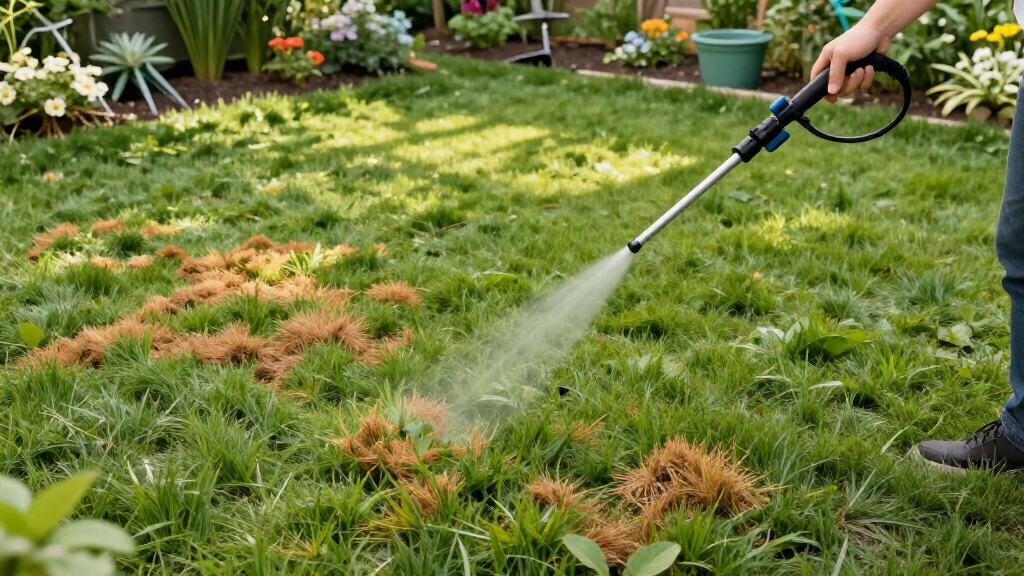
According to lawn care specialists, common issues include brown spots caused by pests, fungi, or pet urine; invasive weeds such as dandelions and crabgrass; mushrooms resulting from excess moisture; and thatch buildup that suffocates grass roots. Other frequent problems are drought stress during hot months, bare patches from heavy foot traffic or disease, and lawn rust, a fungal disease that appears as orange patches during humid seasons.
Experts recommend specific treatments for each problem. For brown spots, using grub killers and dethatching can help. Weeds can be controlled through proper lawn maintenance or targeted herbicides. Mushrooms often require fungicides, while dethatching and aerating address thatch buildup. Drought-stressed lawns benefit from deep, infrequent watering, and overseeding helps repair bare patches. Lawn rust can be managed with nitrogen fertilizers and fungicides.
Why Lawn Problems Impact Homeowners’ Property Value
Addressing these common lawn issues is essential for maintaining a home’s curb appeal and property value. A healthy, lush lawn enhances aesthetic appeal and can prevent further damage that might lead to costly repairs. Additionally, managing problems like overwatering and chemical use can promote environmentally responsible lawn care, conserving water and reducing chemical runoff.
Products Worth Considering

Traeger Woodridge Pro Wood Pellet Grill and Smoker, 970 sq. in., WiFIRE

EVERECO Polycarbonate Greenhouse Panels, 8 ft × 4 ft × 0.24 in, 6-Pack

Greenworks 40V 12-Inch Cordless Chainsaw with 2.0Ah Battery and Charger
As an affiliate, we earn on qualifying purchases.
Seasonal Trends and Common Causes of Lawn Damage
Many of these issues are seasonal, with fungal problems and mushrooms peaking in humid summer months, while drought stress is prevalent during hot, dry periods. Overuse of chemicals or improper mowing practices can exacerbate problems like thatch buildup or lawn rust. Prior to recent years, lawn care advice has increasingly emphasized sustainable practices, such as proper watering and soil management, to prevent these issues.
“Proper lawn maintenance, including aeration and dethatching, can significantly reduce common problems like thatch buildup and fungal growth.”
— an anonymous researcher
Unresolved Questions About Lawn Problem Prevention
It is not yet clear how climate change might influence the frequency or severity of issues like lawn rust or fungal infections. Additionally, the long-term effectiveness of certain chemical treatments versus organic alternatives remains under study. More research is needed to determine best practices for sustainable lawn health in changing environmental conditions.
Next Steps for Lawn Care Improvement
Homeowners are encouraged to implement seasonally appropriate lawn maintenance routines, such as aeration, proper watering, and timely overseeding. Experts suggest monitoring lawn health regularly and consulting local extension services for tailored advice. Advances in organic lawn care products may offer more sustainable options in the future, and ongoing research aims to improve pest and disease management strategies.
Key Questions
How can I tell if brown spots are caused by pests or fungus?
Inspect the size, shape, and expansion of the spots. Circular patches that enlarge over time may indicate a fungal issue, while irregular patches with visible pests suggest pest damage. Consulting a lawn care professional can help identify the precise cause.
Are chemical herbicides safe for my pets and children?
When used according to manufacturer instructions, many herbicides are safe for pets and children after drying. However, organic or integrated weed management practices are recommended for households with sensitive pets or young children to minimize chemical exposure.
What is the best time to water my lawn?
The optimal time is early morning, which allows water to soak into the soil and reduces evaporation. Deep watering once a week with about an inch of water encourages strong root growth and drought resilience.
Can lawn mushrooms be harmful to my family or pets?
Most lawn mushrooms are harmless and help decompose organic matter. However, some wild mushrooms can be toxic. It is advisable to remove any mushrooms if children or pets frequently play on the lawn, and consult an expert if uncertain.
How often should I dethatch my lawn?
Dethatching is recommended every 1 to 3 years, depending on the buildup. Signs include a spongy feel underfoot or a layer of thatch thicker than half an inch. Regular lawn aeration can also help prevent excessive thatch accumulation.
Source: Bob Vila