TL;DR

Get garden gear delivered free with Prime
- Fast, free delivery on millions of items
- Prime Video, Amazon Music and more included
- Member-only deals all year
A Homes & Gardens gardening guide outlines four steps for keeping citronella plants through winter: bring them indoors before frost, prune them, provide bright light and reduce watering. The plant is frost-sensitive and is generally hardy outdoors only in USDA zones 9–11; its supposed mosquito-repelling effect has not been proven.
Homes & Gardens has published a four-step guide to overwintering citronella plants indoors, advising gardeners in frost-prone areas to bring them inside as nighttime temperatures approach 45°F. The advice matters because citronella is tender in cold weather and is hardy outdoors only in USDA zones 9–11, according to the report.
The guide recommends moving container-grown plants to a bright, cool, frost-free location before cold nights arrive. Plants growing in garden beds should be dug up and transferred to pots with well-draining potting mix. The article says temperatures around 45°F to 50°F suit the plant during winter, and warns that frost can severely damage or kill it.
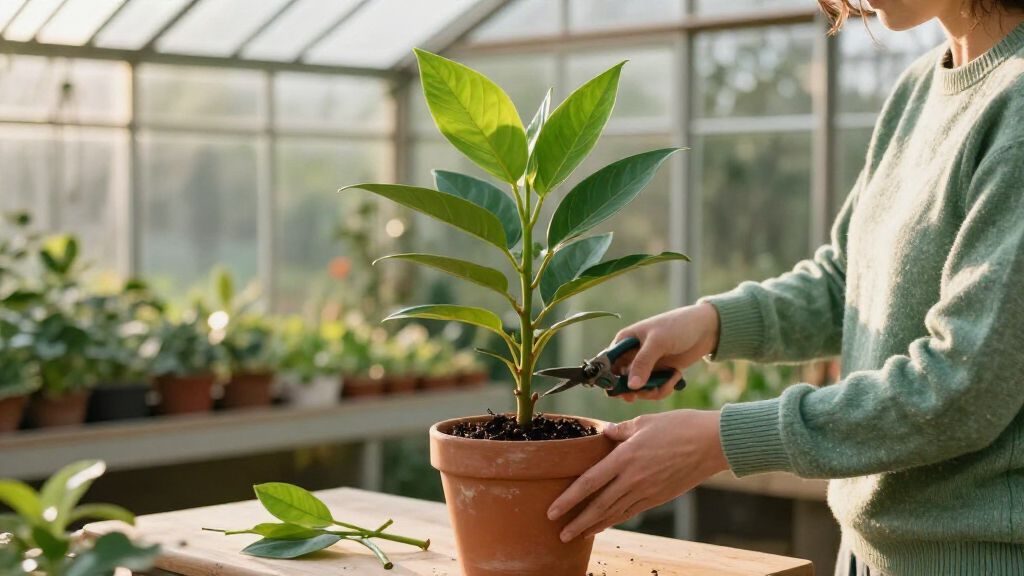
Once indoors, gardeners are advised to cut the plant back by up to half, using clean, sharp pruners and making cuts just above leaf nodes. The report also recommends checking the plant for insects or eggs before bringing it near other indoor plants. It says trimmed stems can be used to take cuttings, though it does not provide a guarantee that every cutting will root.
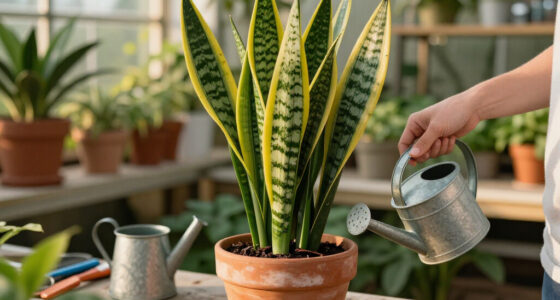
The remaining steps are to provide strong light and limit watering. The plant should receive at least six hours of light daily, with a full-spectrum grow light as an option when natural light is insufficient. Water thoroughly, then wait until the soil has dried before watering again; the guide estimates this may mean watering every two to four weeks indoors, depending on conditions.
Keeping Tender Plants Through Winter
Overwintering can let gardeners keep an established citronella plant for another growing season instead of replacing it each spring. The guide presents this as a way to avoid discarding a plant that can survive indoors, as well as a potentially less wasteful approach to seasonal gardening. Success depends on preventing frost exposure and avoiding wet soil while growth slows.
The plant is also grown for its citrus-scented foliage and delicate pink flowers. The report cautions that its reputation as a mosquito deterrent is not supported by proof: the scent is thought to repel mosquitoes, but that effect has not been proven. Its appeal should not be confused with an established pest-control benefit.
Products Worth Considering

Orbit B-hyve XR 8-Zone Indoor/Outdoor Smart Sprinkler Controller
Orbit B-hyve XR 16-Zone Indoor/Outdoor Smart Sprinkler Timer

Orbit B-hyve Smart Indoor/Outdoor 12-Zone Sprinkler Controller
As an affiliate, we earn on qualifying purchases.
Citronella’s Cold-Weather Limits
Citronella, identified in the source as Pelargonium citrosum, is a scented-leaf pelargonium. It can grow as a perennial in warmer climates, while gardeners in colder areas may treat it as an annual or bring it indoors for winter. The article says outdoor overwintering is likely only in USDA zones 9–11, where mulch can help protect the roots.
For plants in colder regions, the guide says to watch local forecasts and act as nighttime temperatures fall toward 45°F, rather than waiting for frost. Container plants can be moved directly, while plants in beds need lifting and potting. A frost-free greenhouse, conservatory, porch or bright south- or west-facing window is suggested; the plant should be kept away from heat vents and radiators that can cause temperature swings.
“The scent is thought to deter mosquitoes, but that has never been proven.”
— Homes & Gardens report
Conditions That Affect Winter Care
The source does not give a publication date or report results from a controlled growing trial. Its watering interval of two to four weeks is a general estimate, not a fixed schedule for every home; pot size, soil, indoor temperature and light can affect how quickly soil dries. Gardeners should check the soil rather than water solely by the calendar.
The report also does not establish that citronella plants repel mosquitoes. It states that the proposed effect has not been proven. It warns that citronella is toxic to people and pets, but does not specify the degree of toxicity or describe symptoms; indoor plants should be kept out of reach of children and animals.
Monitor Plants Until Spring
After bringing the plant indoors, gardeners can follow the four care steps through winter: keep it in a cool, frost-free place, maintain bright light and airflow, and water only after the soil dries. Check leaves and stems periodically for pests, and adjust watering to the plant’s actual conditions rather than applying the suggested interval automatically.
When warmer weather returns, the source’s seasonal guidance implies that plants can be moved back outdoors once frost risk has passed. It does not give a specific spring date or a detailed acclimation schedule, so local forecasts and conditions should guide that decision.
Key Questions
When should I bring a citronella plant indoors?
The Homes & Gardens guide recommends bringing it inside as nighttime temperatures approach 45°F, before frost can damage it.
How much should I prune citronella for winter?
The report advises cutting the plant back by up to half, using clean, sharp pruners and cutting just above a leaf node.
How often should I water citronella indoors?
The guide estimates every two to four weeks may be enough, but says to wait until the soil is dry before watering. Actual timing varies with indoor conditions.
Does citronella reliably repel mosquitoes?
The plant is thought to deter mosquitoes, but the source says that effect has not been proven. It should not be treated as a confirmed mosquito-control method.
Is citronella safe around pets and children?
The report says citronella is toxic to both humans and pets. Keep indoor plants out of reach; the source does not provide details about toxicity levels or symptoms.
Source: homesandgardens.com