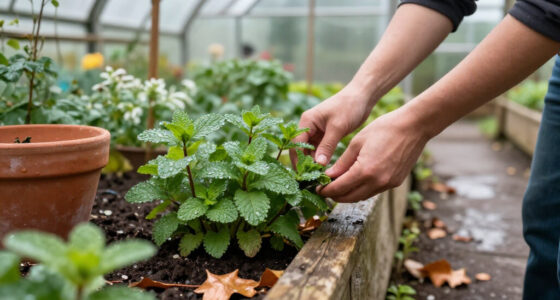
TL;DR
A Gardening Know How report recommends bringing coleus indoors when nighttime temperatures approach 50°F (10°C), rather than waiting for frost. Gardeners can overwinter a mature plant and take cuttings as a smaller backup, but indoor light, pest checks and careful acclimation affect how well they fare.
Gardening Know How has published fall guidance for bringing coleus indoors and taking cuttings before cold weather damages the plants. The report advises starting the move when nighttime temperatures dip below 50°F (10°C), so gardeners can preserve established plants and grow compact backups for winter and next year.

Get garden gear delivered free with Prime
- Fast, free delivery on millions of items
- Prime Video, Amazon Music and more included
- Member-only deals all year
Coleus is a tropical perennial commonly grown outdoors as a warm-season ornamental, according to the report. It is sensitive to cold: the article warns that chilled stems can soften quickly and advises against waiting until frost. Gardeners can bring a potted plant indoors for ongoing foliage color, take stem cuttings to root indoors, or do both.
Before moving a plant inside, inspect leaf undersides, stem joints and leaf axils for aphids, mealybugs and spider mites. The report recommends rinsing foliage or wiping it with a soft cloth and mild insecticidal soap. It also mentions neem products as an option; any pesticide should be used only as its label directs, with the protective equipment stated on the label.
To reduce stress, the article advises moving the pot first to a bright, sheltered outdoor spot for a couple of days, then placing it near a sunny window. Trim damaged or leggy growth and use a light, fast-draining potting mix. The report does not provide a detailed cutting-rooting schedule in the supplied text, but identifies cuttings as a way to keep a smaller reserve plant on a windowsill.
Save Colorful Plants Before Cold Arrives
The advice gives gardeners a practical way to carry a seasonal display into winter instead of replacing every plant in spring. Keeping a mature coleus can provide established foliage indoors, while cuttings take up less space and offer a backup if the larger plant struggles with the change in conditions.
The temperature cue makes timing the central issue: acting before frost gives plants a chance to adjust while they are still growing. Indoor success is not guaranteed, however. Light, humidity, pests and the differences between outdoor and indoor conditions can all affect how the plant responds.
Products Worth Considering

Orbit B-hyve XR 16-Zone Indoor/Outdoor Smart Sprinkler Controller
Orbit B-hyve XR 8-Zone Indoor/Outdoor Smart Sprinkler Controller

Orbit B-hyve 12-Zone Indoor/Outdoor Wi-Fi Sprinkler Controller
As an affiliate, we earn on qualifying purchases.
Coleus From Patio to Windowsill
The Gardening Know How article frames coleus as a plant that can be grown for its colorful leaves in containers and garden borders through the warm months. As fall temperatures drop, the report says, moving it indoors can extend its display. It points to larger cultivars such as Kong and Wasabi for statement containers, while trailing varieties may suit hanging baskets or elevated pots.
The move indoors also changes the plant’s growing conditions. A sunny outdoor position may provide more intense light than a home window, and outdoor plants may carry pests into a household plant collection. The report therefore pairs early relocation with inspection, cleaning and gradual acclimation rather than treating the move as a simple change of location.
“When [nighttime temperatures] dip below 50°F (10°C), this needs to serve as your green light to start the indoors migration.”
— Gardening Know How report
Indoor Results Depend on Conditions
The source offers general seasonal advice, not a guarantee that every coleus will thrive indoors. It does not specify a single indoor temperature, humidity level, watering schedule or number of hours of light that suits every variety and home. The supplied material also ends during its discussion of fall cuttings, so it does not establish exact rooting times or success rates.
Gardeners should monitor individual plants for signs of stress or pests and adjust care to their home conditions. The report names neem-based products and insecticidal soap, but product directions and precautions vary; the label, rather than a general article, governs use.
Watch Temperatures and Plant Health
As fall progresses, gardeners can track overnight temperatures and move coleus before frost threatens. After relocation, check leaves and stems regularly for pests or wilting, and keep the plant in a bright position while avoiding abrupt changes in exposure. Those taking cuttings can watch for new growth and keep the young plants in suitable light as they establish.
The next milestone is whether the mature plant or cuttings remain healthy through winter. If they do, they can provide material to grow on when outdoor conditions warm again. The source does not give a fixed date for returning coleus outside, so that decision depends on local weather and the risk of cold.
Key Questions
When should I bring coleus indoors?
The Gardening Know How report recommends starting when nighttime temperatures fall below 50°F (10°C), before frost arrives.
Can I overwinter the plant and take cuttings?
Yes. The report describes bringing the potted plant indoors and taking cuttings as compatible approaches: one preserves the established plant, while cuttings provide smaller backups.
How should I prepare coleus before bringing it inside?
Inspect leaf undersides and stem joints for pests, rinse or wipe the foliage, and acclimate the plant in a bright, sheltered outdoor spot for a couple of days before moving it indoors.
What light does coleus need indoors?
The report recommends a bright location, such as a sunny south- or west-facing window. Indoor light varies, so watch the plant’s condition after the move.
Source: rss