Many people believe sparks and embers are harmless or quickly die out, but that’s a myth. Sparks can travel far and ignite fires if left unchecked, and embers may smolder for hours, posing ongoing risks. Ember screens help, but they don’t guarantee safety if not used properly. Proper precautions, supervision, and understanding how materials burn are essential. Keep exploring to learn more about protecting yourself and your surroundings from fire hazards.

Get garden gear delivered free — and shop member deals
- Fast, free delivery on millions of items
- Access to Prime Big Deal Days deals on October 6–7
- Prime Video, Amazon Music and more included
Key Takeaways
- Sparks and embers can travel far and ignite fires on flammable surfaces if not properly managed.
- Embers can smolder unnoticed for hours or days, increasing fire risk, contrary to common ember myths.
- Ember screens reduce ember escape but do not guarantee complete safety; regular inspection is necessary.
- Proper supervision, fire safety precautions, and adherence to regulations are essential during outdoor fires to prevent wildfires.
- Different materials produce varying ember amounts; softwoods tend to generate more embers than hardwoods, affecting fire safety.
As an affiliate, we earn on qualifying purchases.
Common Misconceptions About Sparks and Embers
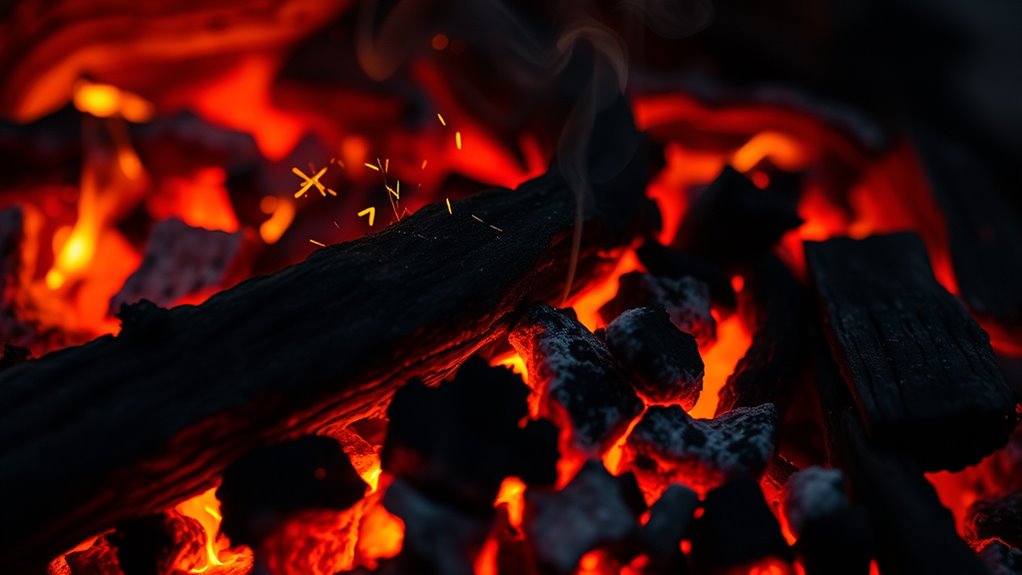
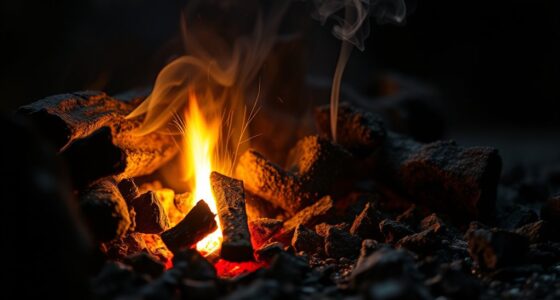
Many people believe that sparks and embers are harmless once they land on non-flammable surfaces, but this isn’t true. This misconception can lead to risky behaviors that threaten spark safety. Ember myths often suggest that embers die out quickly or can’t cause fires after falling, but in reality, embers can smolder unnoticed and reignite later. Sparks and embers can travel significant distances, igniting new fires if not properly managed. Understanding these facts helps you recognize that even small sparks or embers deserve caution. Believing they’re harmless can result in unchecked fire spread. Additionally, fire behavior knowledge shows that embers can persist for hours or even days in certain conditions, increasing the risk of unintended fires. To protect your property and environment, it’s crucial to debunk ember myths and prioritize proper safety measures whenever dealing with fire-producing activities.
As an affiliate, we earn on qualifying purchases.
Are Sparks Always Dangerous?
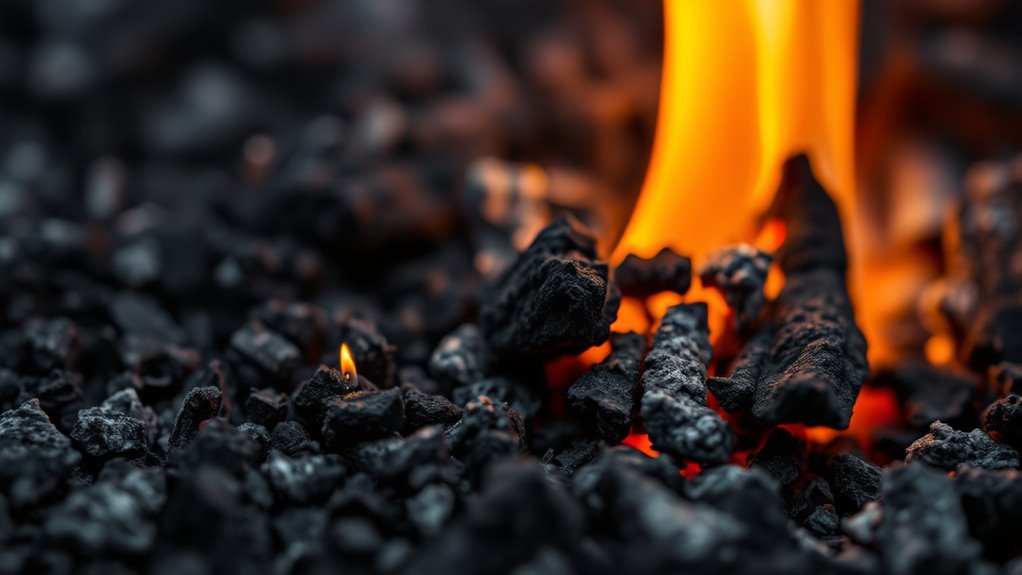
Are sparks always dangerous? Not necessarily. While spark safety is vital, understanding when sparks pose risks helps prevent unnecessary panic. Sparks from a fireplace or grill can ignite nearby dry leaves or combustible materials, increasing ember risks. However, sparks generated in controlled settings, like welding with proper safety measures, are less likely to cause harm. The key is managing ember risks by maintaining safe distances and using protective screens. Sparks themselves aren’t inherently dangerous—they become a hazard when they land on flammable surfaces. Recognizing the difference between harmless sparks and potential fire starters allows you to respond appropriately. Proper fire safety precautions and awareness are essential, especially during dry seasons or in fire-prone areas, to ensure sparks don’t turn into unintended fires.
As an affiliate, we earn on qualifying purchases.
Do Ember Screens Guarantee Safety?
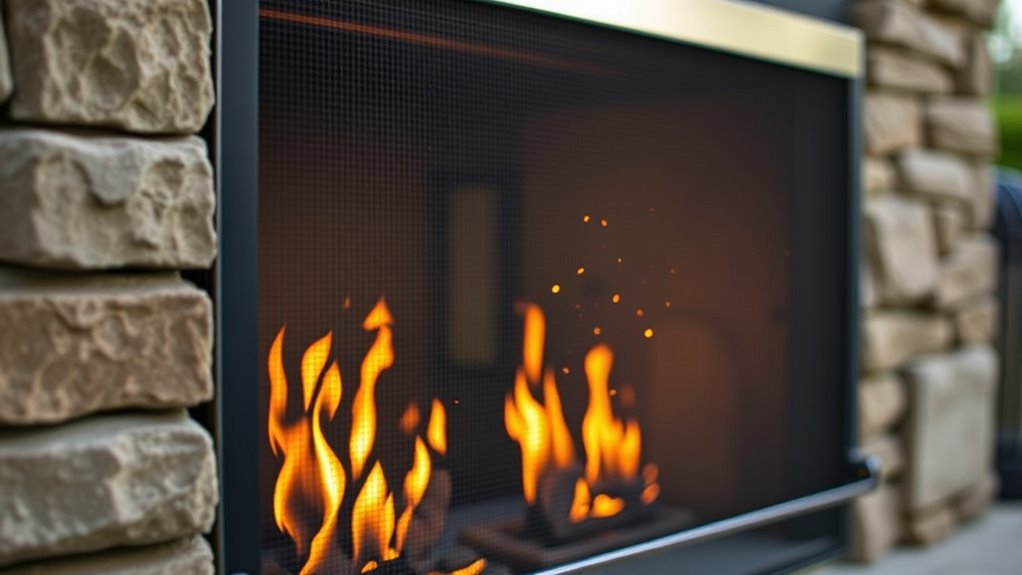
Ember screens are a popular safety feature designed to contain sparks and prevent them from escaping your fireplace or fire pit. While a good spark guard made from fireproof mesh can substantially reduce the risk of sparks flying out, it doesn’t guarantee complete safety. No barrier is entirely foolproof, especially if the screen is damaged or poorly fitted. Ember screens are effective at catching larger sparks and embers, but smaller particles may still escape if gaps are present. Always inspect your fireproof mesh regularly and ensure it covers the opening fully. Proper fire management and supervision are essential components of safe fire practices. Remember, safety also depends on proper fire management and supervision. An ember screen is a helpful tool, but it shouldn’t replace careful monitoring and safe fire practices.
As an affiliate, we earn on qualifying purchases.
Can Fireplaces and Fire Pits Cause Wildfires?
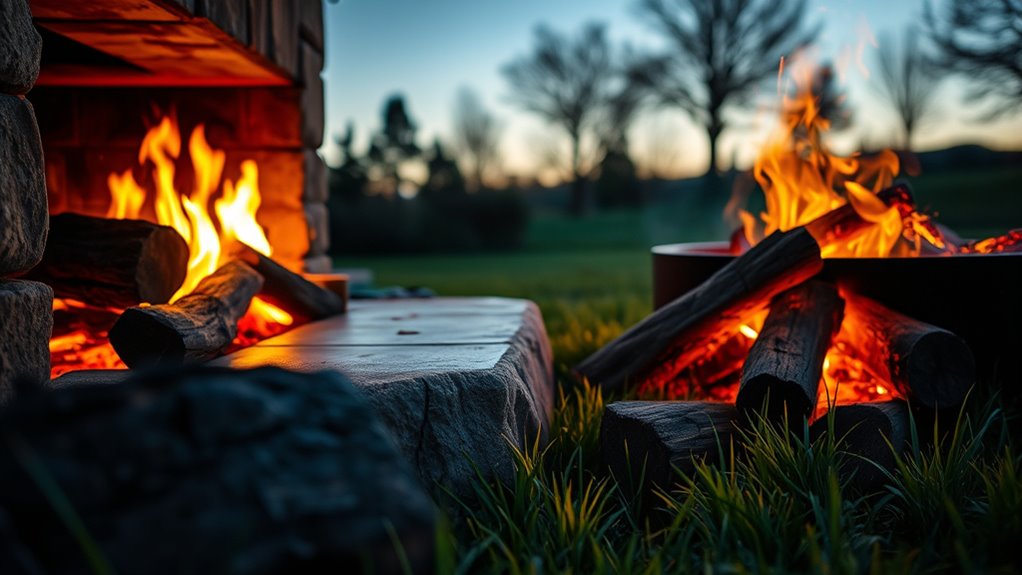
Fireplaces and fire pits can start wildfires if safety measures aren’t followed. Knowing local regulations and understanding environmental risks helps prevent accidental blazes. Proper precautions are essential to keep your outdoor fires from causing harm. Additionally, using appropriate safety features such as fire screens and extinguishing tools can further reduce the risk of accidental fires.
Proper Fire Safety Measures
Many people wonder whether using fireplaces and fire pits can lead to wildfires. To reduce this risk, follow proper fire safety measures. Always wear fire resistant clothing when handling fires and ensure spark arrestor maintenance is up to date. Keep a fire extinguisher nearby, and never leave a fire unattended. Clear the surrounding area of dry leaves or flammable debris. Regularly inspecting your fireplace accessories can further prevent accidental wildfires by ensuring all components are functioning correctly.
Local Regulations and Codes
Understanding local regulations and codes is essential for ensuring that using fireplaces and fire pits doesn’t inadvertently cause wildfires. Fire code compliance helps you follow safety standards designed to prevent fires from spreading. Before lighting a fire, check if your area has specific local permit requirements for outdoor fires. Some regions restrict or ban open flames during dry seasons or high fire danger periods. Failing to adhere to these rules can lead to fines, legal issues, or accidental wildfires. Ensure your setup meets all local fire safety regulations, including clearance zones, equipment standards, and proper extinguishing methods. Staying informed and compliant not only keeps you legally protected but also considerably reduces wildfire risks caused by negligent or unpermitted outdoor fires. Recognizing and noticing patterns in recurring numbers can also serve as important reminders to stay vigilant and adhere to safety practices in outdoor fire management.
Environmental Factors and Risks
Have you ever wondered if your outdoor fire setup could spark a wildfire? Even small fires can pose environmental risks, especially during dry, windy conditions. Sparks and embers can escape and ignite nearby brush, grass, or leaves, leading to wildfires. These fires not only threaten property but also impact air quality by releasing smoke and pollutants into the atmosphere. Additionally, wildfires can severely affect local wildlife, destroying habitats and endangering species. Proper safety measures, such as keeping fires contained and monitoring weather conditions, help reduce these risks. Understanding fire safety practices and environmental factors can help you enjoy your fire setup responsibly while protecting the environment and wildlife around you.
Is It Safe to Leave a Fire Unattended?
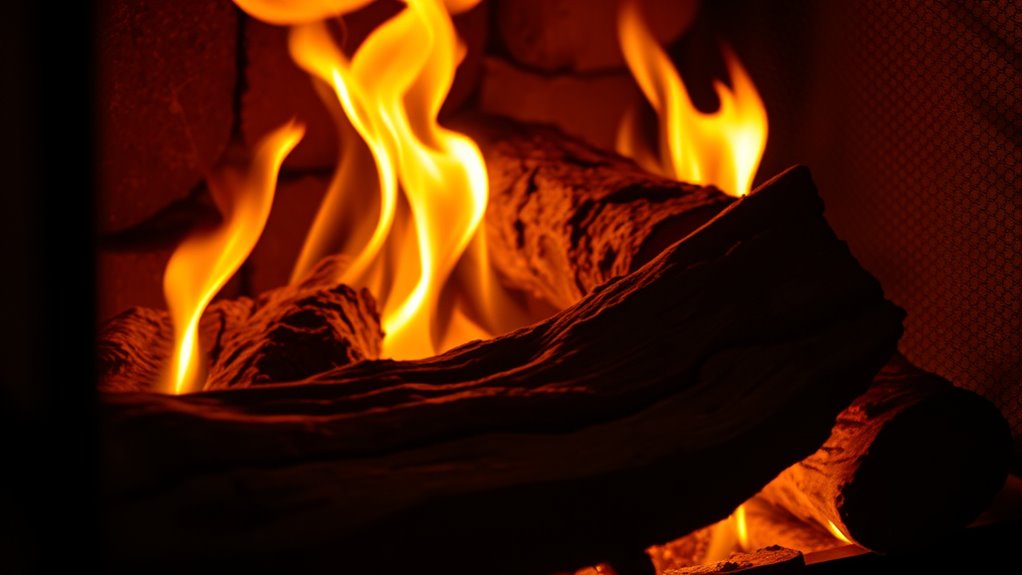
Leaving a fire unattended increases the risk of it spreading beyond your control. To stay safe, you need proper supervision and preventative measures like keeping water or a fire extinguisher nearby. Always remember, a fire needs your constant attention to prevent accidents. Additionally, understanding fire safety protocols can significantly reduce potential hazards.
Risk of Fire Spread
Is it safe to leave a fire unattended? Not at all. Fires can quickly spread due to sparks or embers escaping. Proper spark containment and ember barriers are vital to reduce this risk. Without these precautions, embers may land outside the fire pit, igniting nearby materials. Remember, even small sparks can cause large fires if left unchecked. Additionally, considering fire safety measures such as using weather-resistant barriers and monitoring conditions can further prevent fire spread.
Preventative Measures Needed
Proper preventative measures are key to ensuring fire safety when you can’t stay nearby. Installing spark arresters on chimneys and vents is essential to prevent embers from escaping and igniting nearby materials. Fire resistant barriers around fire pits or outdoor fires create a protective buffer, reducing the risk of accidental spread. Keep combustible materials, such as leaves or paper, well away from the flames. Always ensure your fire is fully extinguished before leaving, using water or dirt to drown any remaining embers. Regularly check that spark arresters are intact and functioning properly. These simple precautions substantially lower the chance of an unintended fire starting, giving you peace of mind when you’re unable to supervise the fire directly. Implementing fire safety protocols further enhances protection and minimizes risks associated with outdoor burning.
Proper Supervision Practices
Ever wonder why supervision is critical when managing a fire? Proper supervision techniques ensure you stay alert and respond quickly if sparks or embers become uncontrollable. Never leave a fire unattended, even for a moment. Your safety training should emphasize constant monitoring, keeping a close eye on the fire’s size and behavior. Use designated supervisors who are familiar with fire safety protocols and know how to act in emergencies. Equip yourself with tools like a fire extinguisher or water source nearby. Regularly check on the fire, especially during windy conditions or if it’s in a dry area. Consistent supervision minimizes risks, reduces the chance of fires spreading, and helps ensure everyone’s safety. Remember, attentive supervision is your best defense against fire accidents.
How Do Different Materials Affect Ember Production?
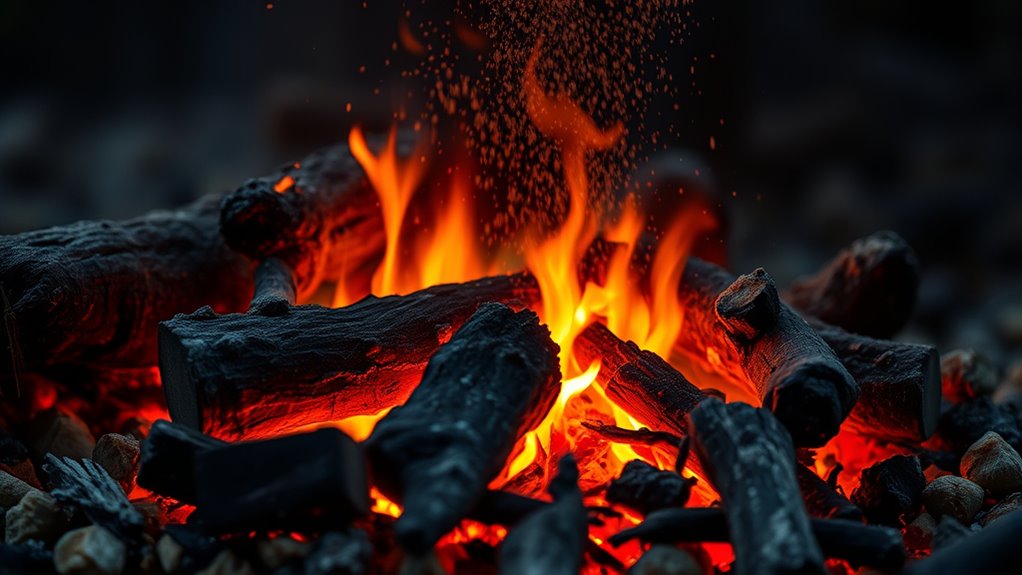
Different materials produce varying amounts of embers when burned, influencing how safe and effective your fire setup is. Material reactions during combustion determine how many embers form and how long they last. Softwoods like pine and spruce tend to generate more embers because they burn quickly and release resin, which fuels ember formation. Hardwoods such as oak and hickory produce fewer embers since they burn more slowly and produce less resin. Synthetic materials or treated woods can also increase ember production or release hazardous fumes. Understanding how different materials react when burned helps you manage ember risks more effectively. Choosing appropriate fuels and knowing their combustion behaviors can reduce the chance of unexpected sparks and improve your overall fire safety.
Tips for Minimizing Ember and Spark Risks
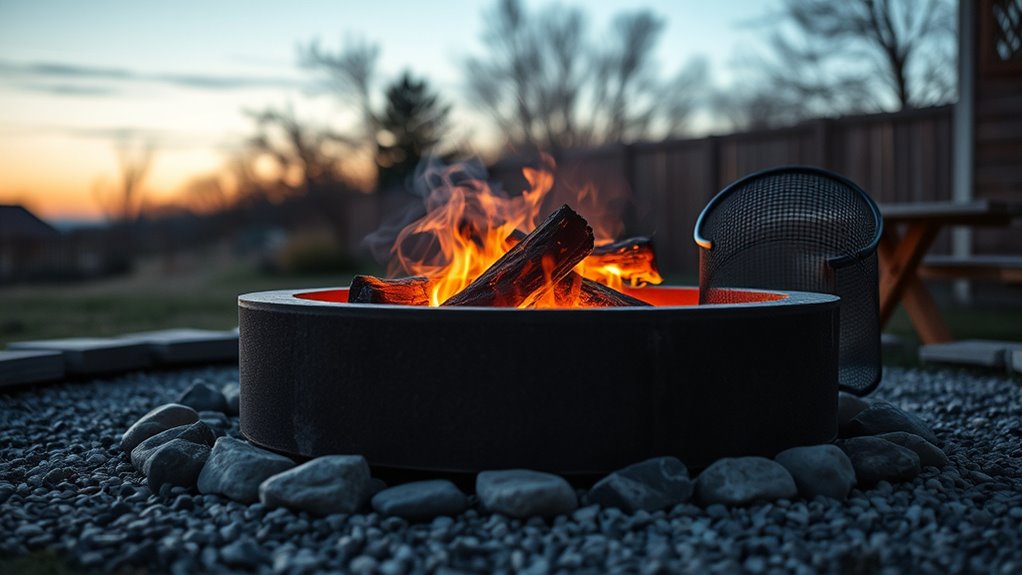
To reduce the risk of sparks and embers escaping your fire, take proactive safety measures. Start by installing fire resistant barriers around your fire pit or chimney to contain embers. Use ember proof vents, which prevent embers from flying out while allowing proper ventilation. Regularly clear debris and dry leaves nearby, reducing fuel sources. Consider creating a safety zone with a non-flammable surface.
| Ember Control | Safety Measure |
|---|---|
| Barriers | Fire resistant barriers |
| Ventilation | Ember proof vents |
| Maintenance | Clear debris regularly |
Frequently Asked Questions
How Can I Distinguish Between Harmless Sparks and Dangerous Embers?
You can distinguish between harmless sparks and dangerous embers by observing their size, brightness, and behavior. Sparks are usually small, quick, and fade fast, indicating spark detection. Embers are larger, glowing, and tend to linger or drift in the air, requiring ember safety measures. Always stay vigilant, and if you notice persistent glowing or smoking, treat it as a potential fire hazard and respond accordingly to prevent danger.
Are There Specific Fire Safety Regulations for Outdoor Fireplaces?
Yes, there are specific fire safety regulations for outdoor fireplaces. You should use fireproof materials for construction and verify the fireplace is set up on a non-combustible surface. Installing safety barriers around the fireplace helps prevent accidental fires and injuries. Always follow local codes and guidelines, and consult with fire safety authorities if you’re unsure about compliance. These steps help keep your outdoor space safe and enjoyable.
What Are the Best Practices for Cleaning and Maintaining Ember Screens?
To keep your ember screen in top shape, regularly perform spark screen cleaning by removing ash and debris with a brush or vacuum. For ember screen maintenance, inspect for any damage or rust and replace if necessary. Always guarantee the screen is cool before handling, and clean it at least once a season or after heavy use. Proper upkeep helps prevent fire hazards and maintains safe, enjoyable outdoor fires.
How Do Weather Conditions Influence Spark and Ember Risks?
Weather conditions substantially sharpen spark and ember risks. When wind-driven fires whip through the landscape, they carry sparks farther and faster, increasing danger. High humidity impacts ember behavior, often dampening sparks but sometimes causing them to cling and smolder, risking reignition. You should stay alert during windy weather and consider humidity levels, as dry conditions heighten the risk, making careful caution essential to prevent wildfires and protect your property.
Can Certain Fuels Reduce the Production of Dangerous Sparks and Embers?
Yes, using certain fuels with additives designed for spark suppression can reduce dangerous sparks and embers. Fuel additives help lower the likelihood of ignition by stabilizing the fuel during combustion, which minimizes the formation of sparks. Choosing fuels formulated for safety can make a significant difference in preventing wildfires or accidental fires caused by sparks and embers, especially in high-risk conditions. Always opt for safer fuel options to enhance fire safety.
Conclusion
While sparks and embers can ignite safety concerns, understanding their true nature helps you stay prepared. Don’t let misconceptions turn a cozy fire into a wildfire threat; instead, use proper precautions and knowledge. Remember, safety isn’t just about avoiding danger—it’s about respecting fire’s power while enjoying its warmth. By balancing awareness with caution, you create a safer environment, where the comforting glow of your fire doesn’t overshadow the potential risks lurking in its sparks and embers.
Halloween Picks
halloween
As an affiliate, we earn on qualifying purchases.