
TL;DR
A new landscaping approach suggests using only two plant colors to improve curb appeal. Experts say this simple trick can create a more cohesive and attractive yard. The method is gaining popularity among homeowners seeking easy aesthetic upgrades.
Experts recommend that homeowners consider using just **two plant colors** in their landscaping to enhance curb appeal, a strategy that simplifies yard design and creates a more cohesive look. This approach is gaining attention as an easy way to improve the visual impact of residential exteriors without complex or costly landscaping overhauls.
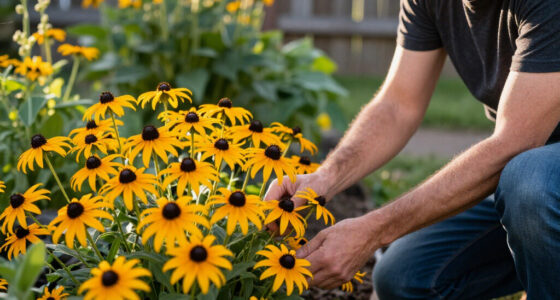
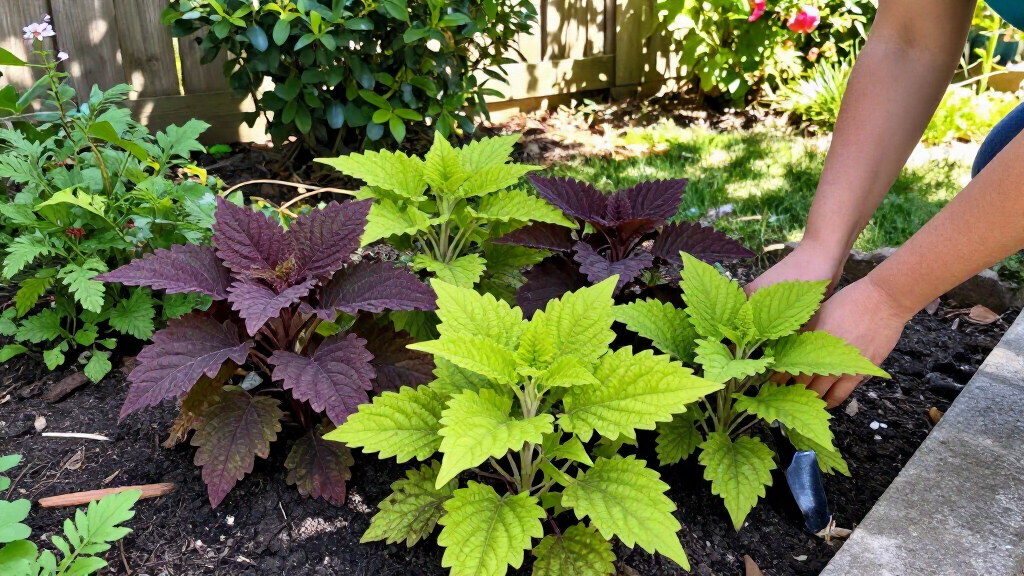
According to landscape designer Sarah Miller, limiting planting schemes to **two contrasting colors** can significantly improve the visual harmony of a yard. Miller states, “Using just two colors simplifies the design and helps the house stand out attractively. It’s a proven method for creating curb appeal that looks intentional and balanced.” The strategy involves selecting one dominant color for larger plants and a secondary accent color for smaller or flowering plants, ensuring the palette remains cohesive.
Several gardening experts and online gardening communities have endorsed this approach, noting that it reduces visual clutter and makes yard maintenance easier. Homeowners report that following this simple color scheme can lead to noticeable improvements in how their homes are perceived from the street.
Why Limiting Plant Colors Enhances Home Curb Appeal
This method is relevant because many homeowners struggle with overplanting or choosing mismatched colors, which can detract from their home’s appearance. By adopting a two-color scheme, homeowners can create a more polished, professional look that boosts property value and attracts positive attention. Additionally, this approach simplifies decision-making and ongoing yard maintenance, making it accessible for those with limited gardening experience.
As an affiliate, we earn on qualifying purchases.
Background on Landscaping Color Strategies
Traditional landscaping often involves a variety of plants and colors, aiming for diversity and vibrancy. However, recent trends emphasize simplicity and cohesion, especially among homeowners seeking low-maintenance yet attractive yards. Experts have noted that overuse of multiple colors can sometimes overwhelm the visual appeal, making a yard appear cluttered or chaotic. The two-color trick aligns with broader minimalist landscaping trends that prioritize clean, uniform aesthetics.
“Limiting your plant palette to two contrasting colors helps create a unified, attractive look that enhances your home’s curb appeal.”
— Sarah Miller, Landscape Designer
contrast plant flower arrangements
As an affiliate, we earn on qualifying purchases.
As an affiliate, we earn on qualifying purchases.
Unanswered Questions About the Two-Color Plant Technique
While many experts endorse the two-color approach, it is still unclear how this strategy performs across different climate zones and yard sizes. Specific plant combinations that work best and long-term maintenance impacts are also still being studied. Additionally, some homeowners worry that limiting plant diversity could reduce biodiversity or resilience against pests.
As an affiliate, we earn on qualifying purchases.
Next Steps for Homeowners Considering the Two-Color Strategy
Homeowners interested in this approach should consult local gardening experts to identify suitable plant pairings for their region. Trial periods and observing how different plants perform over seasons can help refine the scheme. Additionally, landscape designers are expected to develop more tailored guides and tools to help homeowners implement this simple yet effective curb appeal technique.
As an affiliate, we earn on qualifying purchases.
Key Questions
Does the two-color planting method work for all types of yards?
While it is generally effective for many residential yards, results may vary depending on climate, yard size, and existing landscape features. Consulting local gardening experts can help tailor the approach.
What plant colors are recommended for this technique?
Contrasting colors such as green and purple, or yellow and blue, are popular choices. The key is selecting colors that complement each other and match the home’s style.
Can this strategy reduce the biodiversity of my garden?
Limiting colors does not necessarily mean reducing plant diversity. Homeowners can choose a variety of plants within the two-color scheme to maintain ecological benefits.
Is this approach suitable for small or large yards?
Yes, the two-color technique can be adapted for yards of different sizes. For small yards, it helps create a sense of order; for larger yards, it can unify diverse planting areas.
Source: rss