Before you build, observe your site’s natural sun, shade, and wind patterns over different times and seasons. Use this info to position outdoor spaces in shaded areas, orient structures to maximize sunlight, and add windbreaks like shrubs or fences to block harsh gusts. Designing with microclimates and natural features helps create a comfortable, energy-efficient landscape. Keep exploring how these principles can shape your outdoor environment to make it more sustainable and enjoyable.

Get garden gear delivered free — and shop member deals
- Fast, free delivery on millions of items
- Access to Prime Big Deal Days deals on October 6–7
- Prime Video, Amazon Music and more included
Key Takeaways
- Analyze sunlight patterns throughout the year to position outdoor spaces and maximize natural light or shade.
- Identify prevailing wind directions and incorporate windbreaks like shrubs or fences for comfort and protection.
- Orient structures to optimize solar gain and minimize cooling or heating needs based on sun paths.
- Use site features and microclimates to tailor plantings and design elements for year-round comfort.
- Integrate natural forces from the planning stage to create sustainable, functional, and harmonious outdoor environments.
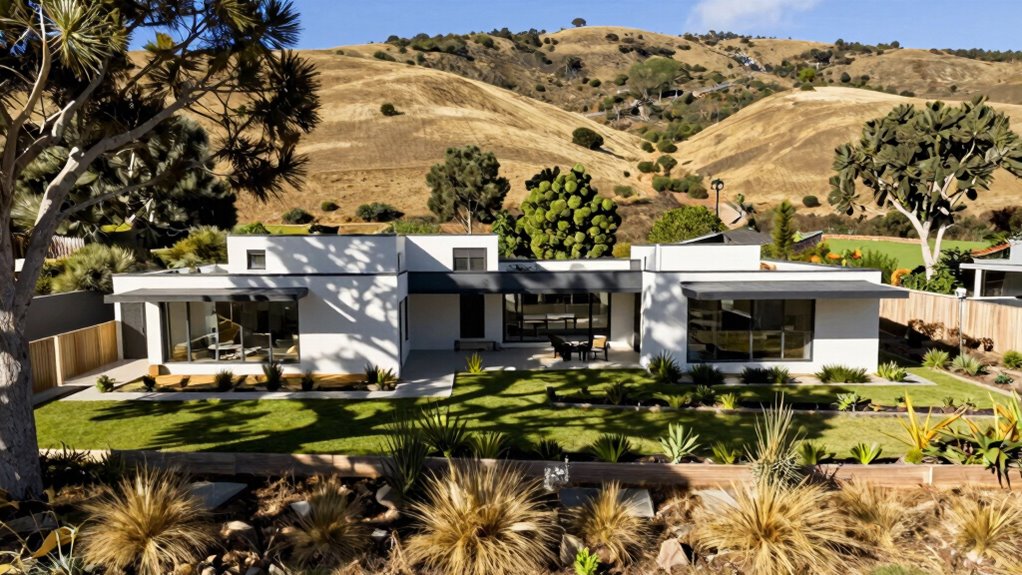
When designing outdoor spaces or planning a new garden, understanding how wind, sun, and shade interact is essential for creating a comfortable and sustainable environment. Your goal is to achieve seamless landscape integration, where every element works harmoniously to enhance the space’s functionality and aesthetic appeal. By considering how these natural forces influence your site, you can optimize energy efficiency, reduce utility costs, and extend the usability of your outdoor areas throughout the year.
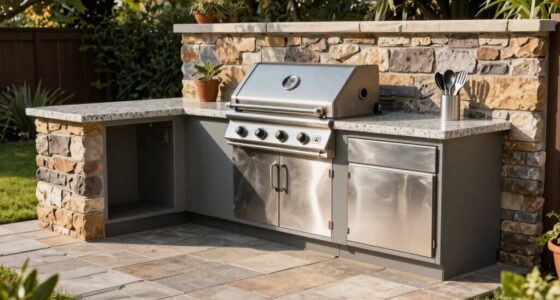
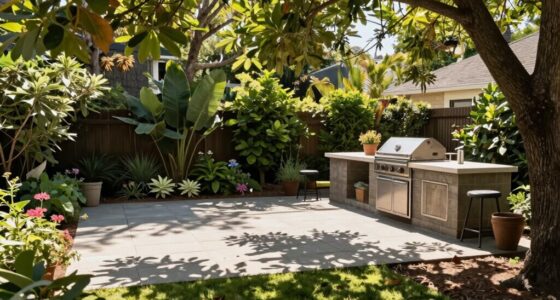
Start by observing the natural patterns of sunlight and shade at different times of day and across seasons. This helps you identify the areas that receive direct sunlight and those that remain shaded, guiding your decision on where to place seating, pathways, and plantings. For example, positioning outdoor living areas in shaded zones minimizes cooling needs during hot months, lowering energy consumption and improving comfort. Conversely, sun-drenched spaces can be perfect for winter gardens or solar panels, supporting energy efficiency goals.
Observe sunlight and shade patterns to optimize outdoor spaces for comfort and energy efficiency year-round.
Next, analyze the prevailing wind direction and strength in your location. Wind can be both a help and a hindrance. Properly placed windbreaks—such as shrubs, fences, or walls—can block harsh gusts, making outdoor spaces more inviting and reducing heat loss in colder months. Incorporate these barriers thoughtfully to maintain landscape integration, ensuring they blend naturally with the environment rather than disrupting the visual flow. Also, consider the placement of pathways and structures to direct airflow in ways that promote natural ventilation, helping cool or warm your space without relying heavily on mechanical systems.
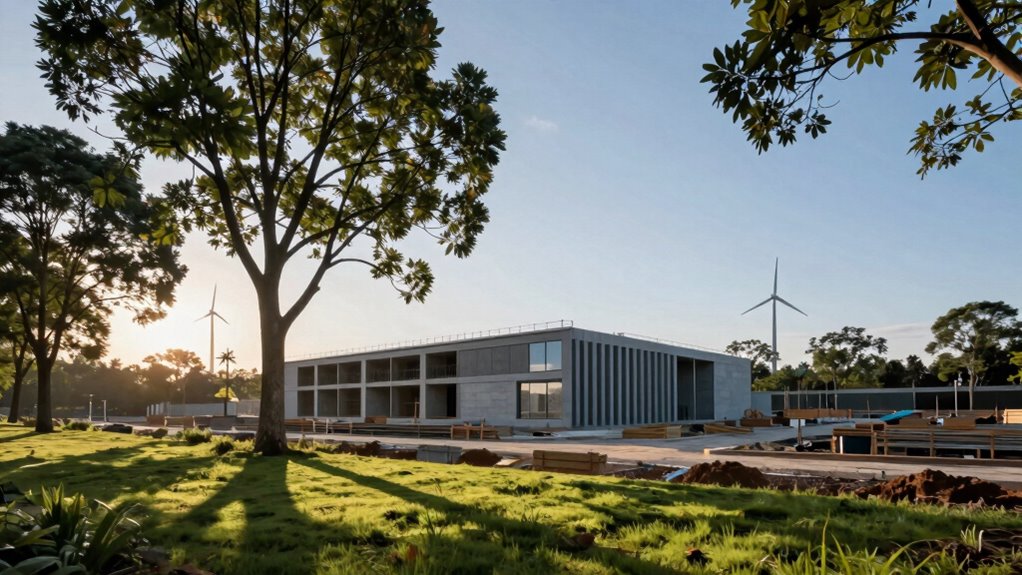
Combining these elements, you can design a layout that maximizes energy efficiency. For instance, orienting your home and outdoor structures to take advantage of the sun’s path reduces the need for artificial heating or cooling. Planting deciduous trees on the southern side of your property provides summer shade, shielding your home from excess heat, while allowing sunlight during winter when the leaves fall. This strategic placement not only enhances comfort but also contributes to better energy consumption.
Additionally, understanding microclimates within your landscape can further refine your planning, allowing you to tailor plant choices and features to specific areas for optimal performance. Recognizing how natural patterns influence your outdoor environment helps you create a more harmonious and sustainable space that works with these forces rather than against them. Paying attention to shelter and exposure ensures your outdoor space remains comfortable year-round. Ultimately, the key to successful outdoor planning lies in integrating wind, sun, and shade considerations from the start. Thoughtful landscape integration ensures that your outdoor space is both functional and aesthetically pleasing, supporting your sustainability objectives. By paying attention to natural patterns and designing accordingly, you create an environment that’s comfortable, energy-efficient, and seamlessly connected to its surroundings.
As an affiliate, we earn on qualifying purchases.
Frequently Asked Questions
How Do Seasonal Changes Affect Wind and Sunlight Patterns?
Seasonal shifts considerably impact wind and sunlight patterns around your property. As seasons change, sunlight variation alters the sun’s angle, affecting how much light your space receives. Wind direction and strength also fluctuate, influencing ventilation and comfort. You should observe these patterns throughout the year to optimize your building’s placement, ensuring maximum sunlight in winter and shade in summer, while also considering wind flow for ventilation and protection.
What Tools Are Best for Analyzing Environmental Factors On-Site?
Think of your site as a canvas, and the right tools as your paintbrushes. Solar mapping helps you visualize sunlight patterns, while wind modeling reveals airflow flows. These tools are essential for analyzing environmental factors effectively. By using solar mapping and wind modeling, you can make informed decisions on building placement, orientation, and design, ensuring your project harmonizes with natural conditions and enhances energy efficiency right from the start.
How Can Terrain Influence Wind and Shade Considerations?
Terrain considerably influences wind and shade considerations through microclimate analysis. You can modify the landscape by adding berms or planting trees to redirect wind flow or increase shade, creating a more comfortable environment. Elevations, slopes, and natural features naturally shape microclimates, so studying these factors helps you optimize building placement. Landscape modifications allow you to enhance wind protection and shade, ensuring your design responds effectively to the terrain’s influence on environmental conditions.
Are There Legal Restrictions on Building Modifications for Environmental Factors?
Think of zoning restrictions and building codes as the guardians of your land’s story. They set the rules for building modifications, ensuring environmental factors like wind, sun, and shade are respected. You can’t just change your plans freely; these laws protect natural harmony and community safety. Before you start, check with local authorities to understand restrictions so your project aligns with legal requirements and environmental considerations.
How Do Nearby Structures Impact Wind Flow and Sunlight Exposure?
Nearby structures substantially influence wind flow and sunlight exposure. You should consider obstacle mitigation by analyzing how these structures block wind and shade, which can cause drafts or shadowing issues. To optimize shade, position your building to maximize natural light while minimizing unwanted shadows from neighboring buildings. Adjusting your design based on these factors ensures better energy efficiency and comfort, making your space more sustainable and enjoyable.
As an affiliate, we earn on qualifying purchases.
Conclusion
By understanding how wind, sun, and shade interact with your space, you’re like a skilled gardener tending to a delicate plant—each decision shapes its future growth. I once watched a homeowner position their windows, catching the morning sun and warding off afternoon chills, transforming their home into a cozy oasis. Remember, thoughtful planning is the key to creating a comfortable, energy-efficient space that thrives—just like a well-tended garden, your project will flourish with attention to nature’s rhythms.
As an affiliate, we earn on qualifying purchases.
microclimate garden planning tools
As an affiliate, we earn on qualifying purchases.
As an affiliate, we earn on qualifying purchases.
Fall yard work Picks
leaf blowers
As an affiliate, we earn on qualifying purchases.